
Cottage Cheese for People Who Hate It
In This Article
Cottage cheese has the best protein-to-calorie ratio of almost any mainstream dairy product — roughly 12-14g of protein per half cup at 80-100 calories. It is cheap, widely available, and genuinely filling. The reason so many people avoid it has nothing to do with nutrition — it is the texture. Wet, curdy, slightly rubbery, and often bland, plain cottage cheese is one of the least appealing foods to eat on its own.
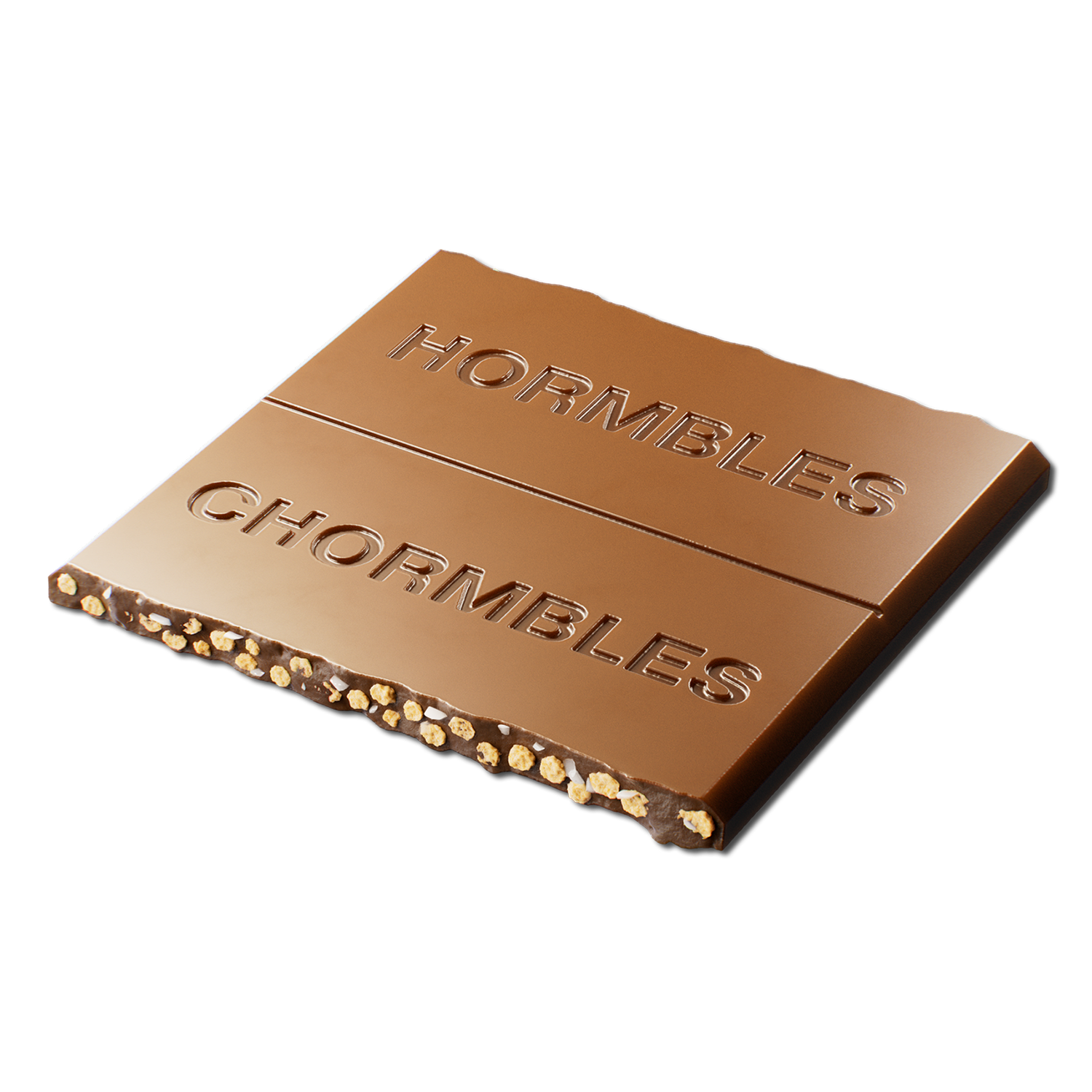
The solution is not to "get used to it." It is to transform it into something your taste buds actually want to eat. Using Hormbles Chormbles as a crunchy,chocolate-flavored topping changes the experience entirely — the soft-creamy-cold base with a crunchy-sweet-chocolate top creates a dessert with the same psychological satisfaction as a sundae and around 25g of protein per bowl. Here is how it works.
Why Cottage Cheese Is Worth Fixing
Half a cup of 2% cottage cheese has approximately 110 calories, 12-14g of protein, 4g of fat, and minimal carbohydrates. No other food at that caloric level delivers that protein density outside of very lean proteins like egg whites or skinless chicken breast. The satiety it provides per calorie is exceptional — the casein protein in cottage cheese is slow-digesting, meaning it keeps you full longer than whey-based or plant proteins at equivalent protein quantities.
Full-fat (4%) cottage cheese adds richness and flavor depth that significantly improves the texture experience over low-fat versions, while the caloric difference is modest (130 vs. 110 calories per half cup). The improvement in palatability from full-fat is worth the 20-calorie difference for most people. See the full context for why pairing protein sources strategically matters for daily nutrition goals.
For anyone hitting a protein plateau — frustrated by the same chicken-rice-Greek yogurt rotation — cottage cheese is the most underutilized high-protein food in the American diet. The barrier is almost entirely psychological and textural, which means a good topping strategy solves it completely.
What Makes It Unpleasant and How to Fix It
Cottage cheese texture problems come from three sources: the watery whey that pools in the container, the curdy chunks that have an inconsistent bite, and the subtle lactic-acid tang that some people find off-putting. All three are fixable without cooking.
Drain excess whey by straining the cottage cheese through a cheesecloth or fine-mesh strainer for 10-15 minutes. This also concentrates the flavor and creates a denser, richer texture. Alternatively, blend the cottage cheese briefly with an immersion blender to create a smooth, quark-like texture that eliminates the curdy inconsistency entirely. The blended version also makes a better base for sweet toppings because it holds a consistent layer.
The tang can be balanced with sweetness — which is exactly where the chocolate topping comes in. The combination of sweet-chocolate-crunchy on top of the creamy-cool cottage cheese creates a flavor contrast that makes the tang a feature rather than a bug. This is the same principle behind adding jam to plain yogurt — the sweet component transforms the dairy base.
The Chocolate Crouton Transformation
Use cottage cheese as the base the same way you would use Greek yogurt in a parfait. Put half a cup of drained or blended full-fat cottage cheese in a bowl. Add a drizzle of sugar-free maple syrup or honey (optional, if you want additional sweetness). Crush or break one serving of Hormbles Chormbles into chunks and scatter over the top. The contrast of the cool, soft, creamy base against the crunchy, chocolatey topping is what makes this genuinely good rather than just "nutritionally acceptable."
You can add fresh berries between the cottage cheese and the chocolate topping for additional flavor complexity — raspberries work particularly well because their tartness complements both the cottage cheese base and the chocolate. A pinch of sea salt flakes on top enhances both the sweet and dairy notes simultaneously.
This combination hits approximately 25g of protein per bowl (14g from cottage cheese, ~10g from Hormbles) at around 220-240 calories. That is a dessert that can serve as a post-dinner snack, a pre-workout meal, or even a breakfast. For additional meal prep ideas that use this same format, check high-protein smoothie bowl toppings and healthy snacks for weight loss.
Cottage cheese topping combinations
- Classic: Crushed Hormbles + sea salt flakes
- Berry crunch: Crushed Hormbles + fresh raspberries + honey drizzle
- PB cup: Almond butter swirl + crushed Hormbles + sea salt
- Tropical: Diced mango + crushed Hormbles + lime zest
Frequently Asked Questions
Is cottage cheese actually good for weight loss?
Yes — cottage cheese is one of the most effective foods for weight loss due to its high protein density and slow-digesting casein content. Half a cup delivers 12-14g of protein at 100-130 calories depending on fat content. The satiety per calorie is excellent, and casein is shown to reduce appetite and preserve muscle mass during caloric deficits better than fast-digesting proteins. It is one of the best protein sources available at mainstream grocery store prices.
What cancels out the taste of cottage cheese?
The most effective flavor-neutralizing and flavor-transforming strategies are: sweet toppings (chocolate, fruit, honey) that override the lactic tang with contrasting flavors; blending to smooth out the curdy texture; draining to remove the pooled whey; and adding crunchy toppings that shift attention from the base texture to the topping contrast. The goal is not to hide cottage cheese — it is to use its mild, creamy base as a canvas for toppings that you genuinely want to eat.
How much protein is in cottage cheese?
Half a cup of 2% cottage cheese contains approximately 12-14g of protein. Full-fat (4%) contains slightly more per serving. Cottage cheese protein is primarily casein — a slow-digesting protein that provides a more extended satiety effect than whey-based proteins. For comparison, the same caloric serving of Greek yogurt contains slightly less protein, and the same caloric serving of milk contains significantly less. Cottage cheese is among the highest protein-density mainstream dairy foods available.
Can you eat cottage cheese as a dessert?
Yes — cottage cheese as a dessert is a growing trend for good reason. The creamy-cool texture as a base, combined with sweet toppings, creates a dessert experience with a macronutrient profile that most traditional desserts cannot match. A bowl of cottage cheese topped with zero-sugar crispy chocolate delivers 25g of protein at under 250 calories — something no ice cream sundae, pudding, or mousse can replicate while still satisfying the dessert psychological function.
Does blending cottage cheese change the protein content?
No — blending does not change the nutritional content, only the texture. Blended cottage cheese (sometimes called "cottage cheese cream" or "whipped cottage cheese") has the same protein, fat, and calorie content as the original. The smooth, quark-like texture after blending is more appealing to many people and works better as a base for toppings. It also mimics ricotta or cream cheese in consistency, making it useful in both sweet and savory applications.