
The Lunchbox Trade: Chocolate Kids Won't Swap
In This Article
Every parent who has packed a healthy snack in a lunchbox has experienced the lunchbox trade. Your child comes home, the healthy snack is gone — but it was not eaten. It was traded for a Snickers, a Fruit Roll-Up, or a bag of chips from the kid who brought what they actually wanted. The trade economy in elementary school lunchrooms is ruthlessly efficient at filtering out snacks kids find unsatisfying.
This is not a discipline problem with your child. It is a palatability problem with the snack. A snack that kids trade away is a snack that failed the actual market test. Understanding what the trade economy rewards helps you pack something that competes on the merits — something that delivers enough genuine appeal that your kid chooses to keep it. Reading what actually works in the kids' lunchbox is the starting point.
The Lunchbox Trade Economy
Children are honest arbiters of snack quality in a way adults are not. They have no nutritional knowledge filtering their preferences, no social pressure to claim they enjoy something healthy, and no cognitive override of their immediate pleasure response. When a kid trades your carefully chosen healthy snack for a Fruit Roll-Up, they are telling you something true: the Fruit Roll-Up is delivering more of what they are looking for.
What they are looking for is primarily: sweetness, fun texture, appealing packaging, and social currency (having something other kids want). Functional nutrition is entirely absent from the child evaluation framework. This creates the core lunchbox design challenge: your snack must compete on the kid's terms — taste and fun — while also meeting your terms — protein, no artificial dyes, no excessive sugar.
The good news is that this is not impossible. It requires choosing snacks that are genuinely competitive as treats, not snacks that are "healthy" as a primary selling point. A chocolate snack that looks like candy, tastes like candy, and makes other kids ask "where did you get that?" will not get traded. See why dye-free chocolate matters for kids for the clean label component of this calculation.
What Makes Kids Keep a Snack
The snacks that survive the lunchbox trade economy have identifiable characteristics. They are visually appealing in a way that reads as fun rather than virtuous. They have a distinct, recognizable flavor that children can describe to each other — "it tastes like chocolate" works; "it has a subtle cocoa flavor" does not. They have a satisfying texture, especially a crunch or chew that makes eating them an experience rather than just a taste.
Social currency is surprisingly important. Kids want snacks that other kids notice and ask about. A snack in a recognizable fun packaging that looks "cool" rather than "health food" has a social value component that extends its appeal beyond taste. This sounds trivial but it determines whether your kid shows their snack to friends proudly or hides it because it looks like it came from a health food store.
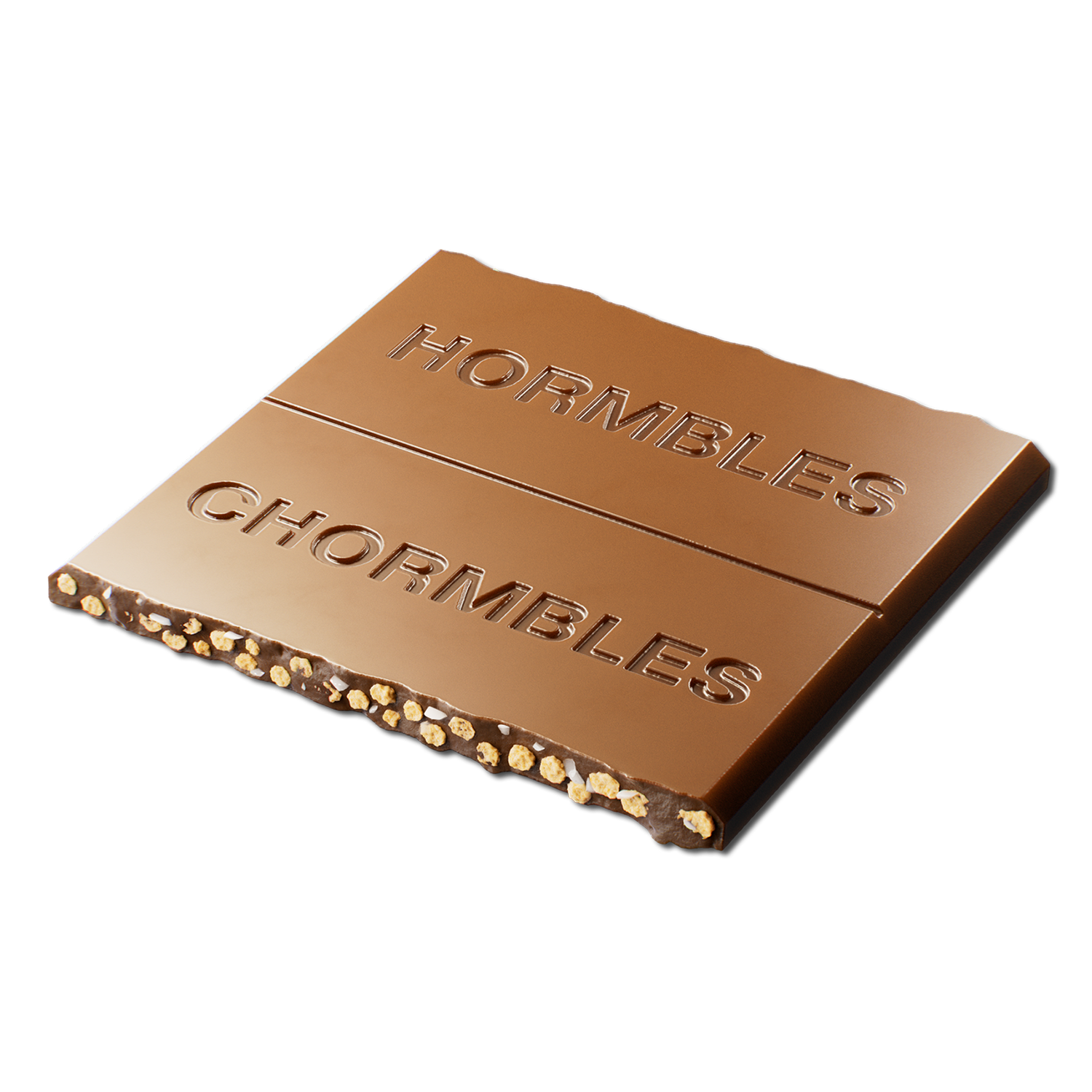
Hormbles Chormbles passes the lunchbox test because it leads with chocolate and crunch — the two most universally appealing kid-snack properties — while delivering protein and zero added sugar without announcing those features on the front of the packaging. The snack competes as chocolate candy first. The nutritional profile is what satisfies you, not what your kid needs to know about to accept it.
The Clean Label Standard for Kids
The clean label standard matters more for children than adults because children's daily caloric intake is lower and the percentage represented by snacks is higher. A snack that represents 15-20% of a child's daily calories cannot be carrying artificial dyes, high fructose corn syrup, and a list of unrecognizable preservatives — the proportional impact is simply higher than for an adult eating the same snack as 5% of their intake.
The specific concerns most parents prioritize: artificial colors (Red 40, Yellow 5, Yellow 6 — linked to behavioral effects in some research), high fructose corn syrup (associated with appetite dysregulation at child-relevant doses), and artificial sweeteners (unknown long-term effects on gut microbiome development in children). A snack using allulose and monk fruit sidesteps all three categories.
For parents managing picky eaters, the challenge is that "clean label" often correlates with less-appealing taste in the existing product landscape. Read getting protein into picky eaters for strategies that use palatability as the delivery mechanism for nutrition — same principle as the lunchbox trade solution, applied to general picky eating.
Frequently Asked Questions
How do I pack a healthy snack my kid will actually eat?
Choose snacks that compete on the kid's evaluation criteria — sweet, fun texture, appealing appearance — not just on nutritional credentials. The snack should taste good enough to keep in a lunchroom trade economy where every other kid has something appealing. A chocolate snack that tastes like real chocolate, has a satisfying crunch, and looks fun will not get traded. Snacks that announce their health credentials through packaging often get left at the bottom of the lunchbox.
What is wrong with artificial food dyes in kids' snacks?
Artificial food dyes like Red 40, Yellow 5, and Yellow 6 have been associated with increased hyperactivity and behavioral effects in some children, particularly those already diagnosed with ADHD, in a body of research reviewed by the FDA and more extensively in European food safety assessments. The UK requires warning labels on products containing certain artificial dyes. Whether the effect is clinically significant for all children is debated, but the precautionary case for dye-free snacks is well-established for parents of sensitive children.
How much protein should a kids' snack have?
A reasonable target for a kids' snack is 5-10g of protein, which supports growth, satiety between meals, and blood sugar stability without excessive protein load for smaller bodies. A 10g protein snack at 140 calories is an excellent ratio for a child's afternoon snack — comparable in protein to a small serving of yogurt but far more likely to be eaten without negotiation if the snack is genuinely appealing.
Are zero-sugar sweeteners safe for kids?
Allulose and monk fruit, the sweeteners in Hormbles Chormbles, have GRAS (Generally Recognized as Safe) status and no known concerns for pediatric use in typical snack serving sizes. They are not the same as artificial sweeteners like aspartame or sucralose, which have more complex safety profiles. Allulose is a naturally occurring rare sugar; monk fruit is a fruit extract. Both are appropriate for children as part of a varied diet without restriction signals from current food safety authorities.
How do I handle lunchbox trading at school?
The most effective approach is making trading unnecessary by sending something your child genuinely prefers over what would be offered in trade. Talk to your child about what they actually want in their lunchbox — many parents discover the traded snack was boring rather than disliked. Sending one genuinely exciting snack (real chocolate, fun format) alongside the meal components is more effective than sending multiple "healthy" snacks that compete poorly against conventional options.