
Why Stevia Tastes Bitter to You (And What to Use Instead)
You’ve tried a “sugar-free” snack and hit a wall: that lingering bitter-soapy sweet of stevia. It doesn’t seem to bother some people, but for others it’s a deal-breaker that ruins an otherwise good product.
The good news: the aftertaste isn’t in your head. It’s biology. And now you know what to look for instead.
Why Stevia Tastes Bitter to Some People
Stevia sweetness comes from compounds called steviol glycosides, primarily rebaudioside A (Reb-A) and stevioside. Stevioside in particular is notorious for leaving a bitter, metallic, or soapy aftertaste.
Why does it affect some people more? It comes down to genetics. A significant minority of people—estimates range from 4-25%—have a variant of a bitter taste receptor gene (TAS2R38 or similar) that makes them significantly more sensitive to the bitter notes in steviol glycosides.
If you taste the bitterness strongly, you’re not over-sensitive—your taste buds are just being accurate.
The Processing Problem
Not all stevia is created equal. Most commercial stevia is highly purified Reb-A, which has a cleaner profile than cruder extracts—but it still produces aftertaste in sensitive individuals. Some manufacturers blend stevia with other sweeteners (like erythritol) to mask the aftertaste, but erythritol has its own cooling, minty sensation that some people find off-putting.
What Actually Tastes Clean
Allulose
Allulose is a rare sugar that occurs naturally in small amounts in figs, raisins, and maple syrup. It tastes
Allulose behaves like sugar in baking, browns, and dissolves seamlessly. It doesn’t cause the gestric distress commonly associated with sugar alcohols.
Monk Fruit (Luo Han Guo)
Monk fruit sweetness comes from mogrosides, compounds that don’t trigger the same bitter receptors as stevia. Most people describe it as having a fruity or slightly floral note rather than bitterness. It’s also zero calorie and has no glycemic impact.
The downside: monk fruit extract is significantly more expensive to produce than stevia, so it’s less common in mass-market products. Some people also find the floral quality a bit off at higher concentrations.
The Best of Both
Some products blend allulose and monk fruit, which combines allulose’s sugar-like mouthfeel and browning properties with monk fruit’s zero-calorie intensity. This combo( is increasingly what you’ll find in higher-quality low-sugar products.
Sugar Alcohols: The Wild Card
Erythritol, xylitol, and maltitol are often used as bulking agents in low-sugar products. They’re not technically sugar and have lower calorie counts, but they come with tradeoffs:
- Erythritol: Lowest calories, but has a distinct cooling/minty mouthfeel. Tolerated well by most people at normal doses.
- Xylitol: Similar taste profile to sugar, but can cause significant GI distress at higher doses.
- Maltitol: Very similar taste to sugar, but has a surprisingly-high glcyemic index (52) and often causes GI issues in larger amounts. Many people consider it the worst of both worlds.
How to Read a Sweetener Label
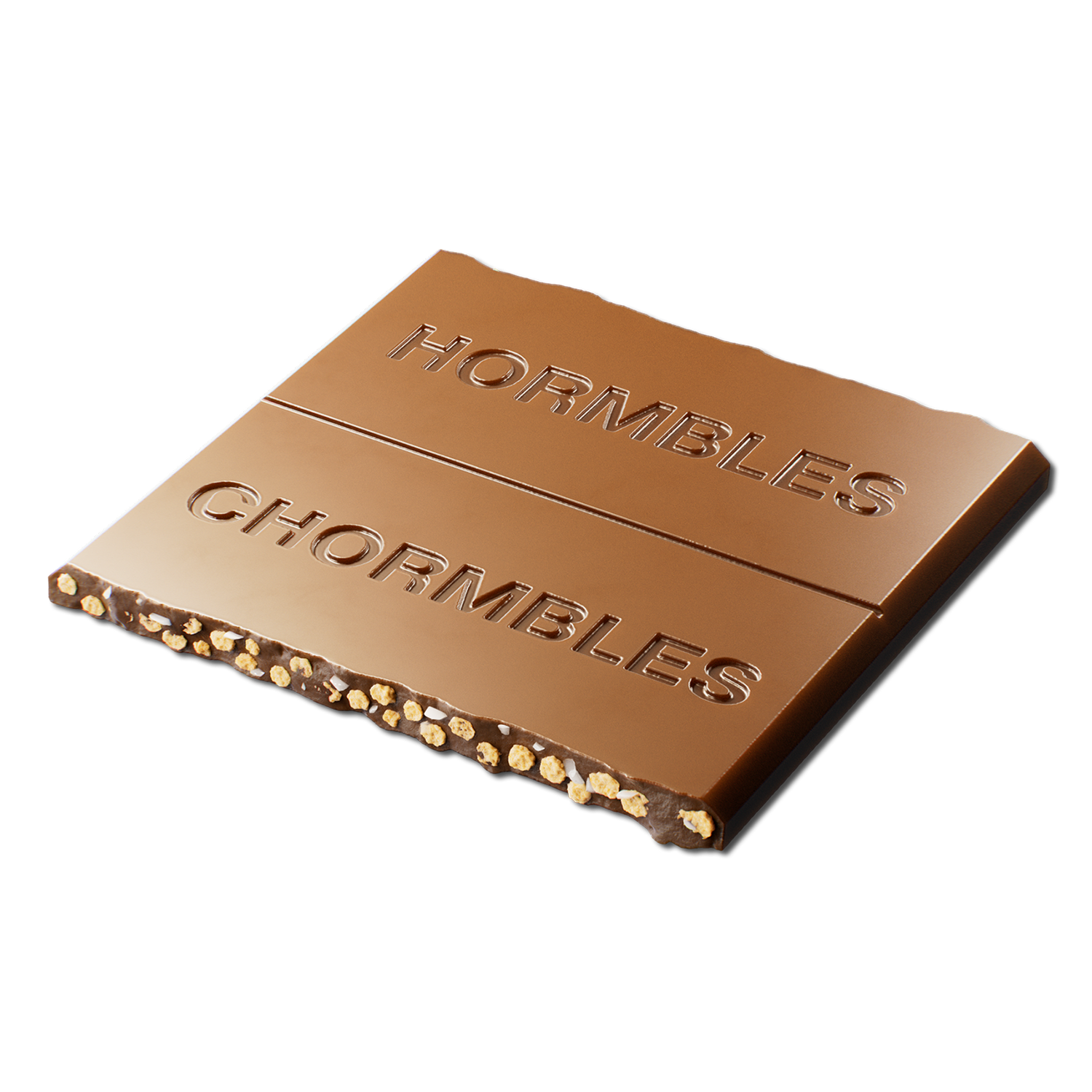
Hormbles Chormbles uses allulose and monk fruit—specifically because of how they taste and how they behave metabolically. Here’s what to look for when evaluating any product:
- Look for: Allulose, monk fruit, alulose + monk fruit combos
- Approach with caution: Stevia (if you’re sensitive), erythritol blends, xylitol
- Generally avoid: Maltitol, sorbitol, and other sugar alcohols if you have GI sensitivities
One practical tip: if you see "sugar alcohol" or "surgar alcohols" on the nutrition panel and the product tastes very sweet for the calorie count, check the ingredient list closely—maltitol often hides there.
The Bottom Line
Stevia aftertaste is real and genetically-determined for many people. If you’ve always been put off by stevia-sweetened products, now you know why—you’re not alone and you have options.
Allulose and monk fruit provide sweetness without the aftertaste problem—and without the metabolic downsides of regular sugar. They’re not just a nicer sweetener—they’re a better one.
Hormbles Chormbles are sweetened with allulose and monk fruit, not stevia. If you’ve been put off by other “sugar-free” snacks, that might be the reason why.