
The Cronch Factor: Crunchy Chocolate and Fullness
In This Article
There is a reason people describe the satisfying crunch of a good snack as "cronch" â a word that is half onomatopoeia, half emotional shorthand for the specific pleasure of biting into something that resists. That resistance is not just sensory pleasure. It is a satiety mechanism your brain uses to measure food consumption.
Research on texture and satiety has shown consistently that crunchy, solid foods generate stronger fullness signals than smooth or liquid versions of the same food. This is why crunchy snacks outperform chewy ones for many people in both satisfaction and portion control â and why texture is an underrated variable in what makes a chocolate snack actually healthy.
What the Cronch Factor Actually Is
When you bite into a crunchy food, your jaw muscles fire with more force and duration than they do for soft foods. This mechanical effort triggers a stronger cholecystokinin (CCK) response â the gut hormone primarily responsible for signaling fullness to the hypothalamus. More jaw work equals more CCK equals faster satiety signaling.
Crunchy foods also produce acoustic feedback â the sound of the crunch, both externally and bone-conducted through your jaw. Research has shown that blocking this sound (wearing earplugs while eating) reduces the perceived pleasure of crunchy foods and increases consumption. Your brain uses the sound of what you are eating as an additional data point for how much you have consumed.
This is the same mechanism that makes popcorn so satisfying to eat during a movie â the repeated sensory feedback of crunch creates a sense of active eating that smooth snacks do not provide. A crunchy high-protein chocolate snack delivers this feedback while also providing the protein that activates satiety hormones.
The Neuroscience of Crunchy Food
Food texture engages the somatosensory cortex and the orbitofrontal cortex simultaneously â the areas of the brain that process touch/physical sensation and reward respectively. When both fire together, the reward registration is stronger than taste alone. This is why you can eat smooth pudding and feel vaguely unsatisfied despite it tasting fine â the somatosensory component of the reward is missing.
Texture also affects eating rate. Studies on food texture and consumption speed show that people eat smooth, soft foods approximately 40% faster than crunchy foods of the same caloric density. Slower eating gives satiety hormones more time to reach the brain before you have consumed excess. For curbing sweet cravings, the physical act of chewing crunchy food adds minutes to the eating experience.
If you manage cravings with GLP-1 medications, the texture effect is amplified. The light and crunchy snack preference on medications like Ozempic is not just about nausea avoidance â it is about maximizing the satiety signal from small portions.
Why Smooth Chocolate Keeps You Reaching for More
Smooth milk chocolate is engineered to melt in your mouth almost immediately. This is a deliberate manufacturing choice â the lower the oral processing time, the faster you can eat the next piece without feeling full. Confectionery engineers call this "melt rate" and it directly correlates with overconsumption in controlled studies.
When chocolate melts instantly, three things happen: the reward signal is immediate and brief (driving you to recreate it), the satiety hormones do not have time to respond before the next piece is in your mouth, and the acoustic feedback is absent. You end up eating more servings to hit the same satisfaction level that one crunchy serving would have delivered.
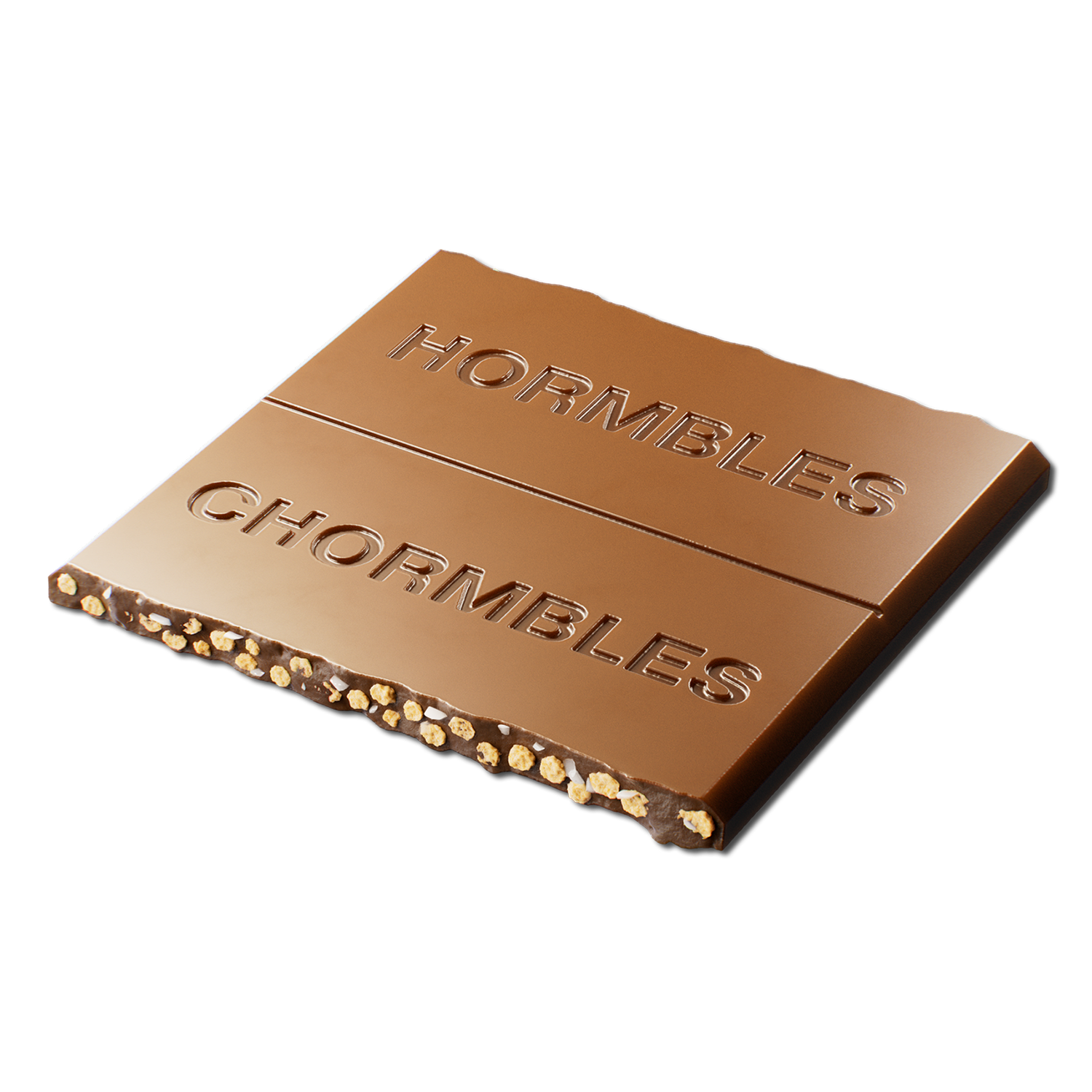
This is why the format of Hormbles Chormbles is intentional â the crispy puffed grain inside the chocolate creates the melt-resistance and acoustic crunch that smooth chocolate bars lack. The same cocoa ingredients in a crispy format outperform the identical ingredients in a smooth format for satiety because of the texture mechanism alone. See why 140 calories of crispy chocolate satisfies differently than the same calories in smooth form.
Texture factors in snack selection
- Choose snacks with at least one structural crunch element, not just a coating
- Avoid snacks that melt in under 3 seconds â they bypass the satiety mechanism
- Pair crunchy chocolate with something you chew (nuts, seeds) for amplified fullness
- Track whether crunchy vs. smooth versions of the same snack leave you satisfied differently
If you are building a snack strategy around texture, the desk snacking guide covers how to structure your day so texture-based satiety does its job before you reach for more.
Frequently Asked Questions
Why does crunchy food feel more satisfying than soft food?
Crunchy foods trigger more jaw muscle activation, which increases cholecystokinin (CCK) release â the gut hormone that signals fullness to the brain. They also produce acoustic feedback that the brain uses to measure consumption. These two mechanisms create a stronger and faster satiety response than smooth foods, even when caloric content and ingredients are identical.
Does the sound of crunching actually affect how full I feel?
Yes â research has shown that blocking the sound of eating (via earplugs) increases food consumption and reduces satisfaction. The brain uses auditory feedback from chewing as a data point for how much has been eaten. This bone-conducted sound signal contributes to the satiety calculation alongside taste and smell, making the crunch acoustically functional, not just pleasurable.
Is crunchy chocolate better for weight loss than smooth chocolate?
Crunchy chocolate tends to produce earlier satiety and slower eating pace, which supports portion control. Studies on texture and food intake show people eat less per session with high-texture foods versus smooth versions at the same caloric density. The difference is not the calories â it is the speed at which the brain registers the meal as complete, which crunchy textures accelerate.
Why do I eat more smooth chocolate than I plan to?
Smooth chocolate has a very short oral processing time â it melts in seconds, which bypasses the chewing-satiety mechanism and allows rapid consecutive bites before fullness hormones can respond. The brief, fast reward signal also drives repetition. You reach for the next piece before the satiety signal from the first piece has registered, creating a gap between consumption and the fullness you actually need.
What makes a chocolate snack genuinely filling?
Three factors determine how filling a chocolate snack is: protein content (activates satiety hormones GLP-1 and PYY), fiber content (slows digestion), and texture (activates the chewing-satiety mechanism and slows eating rate). A high-protein crunchy chocolate outperforms a smooth protein-free one on satiety even at the same calorie count, because all three mechanisms work together rather than just one.