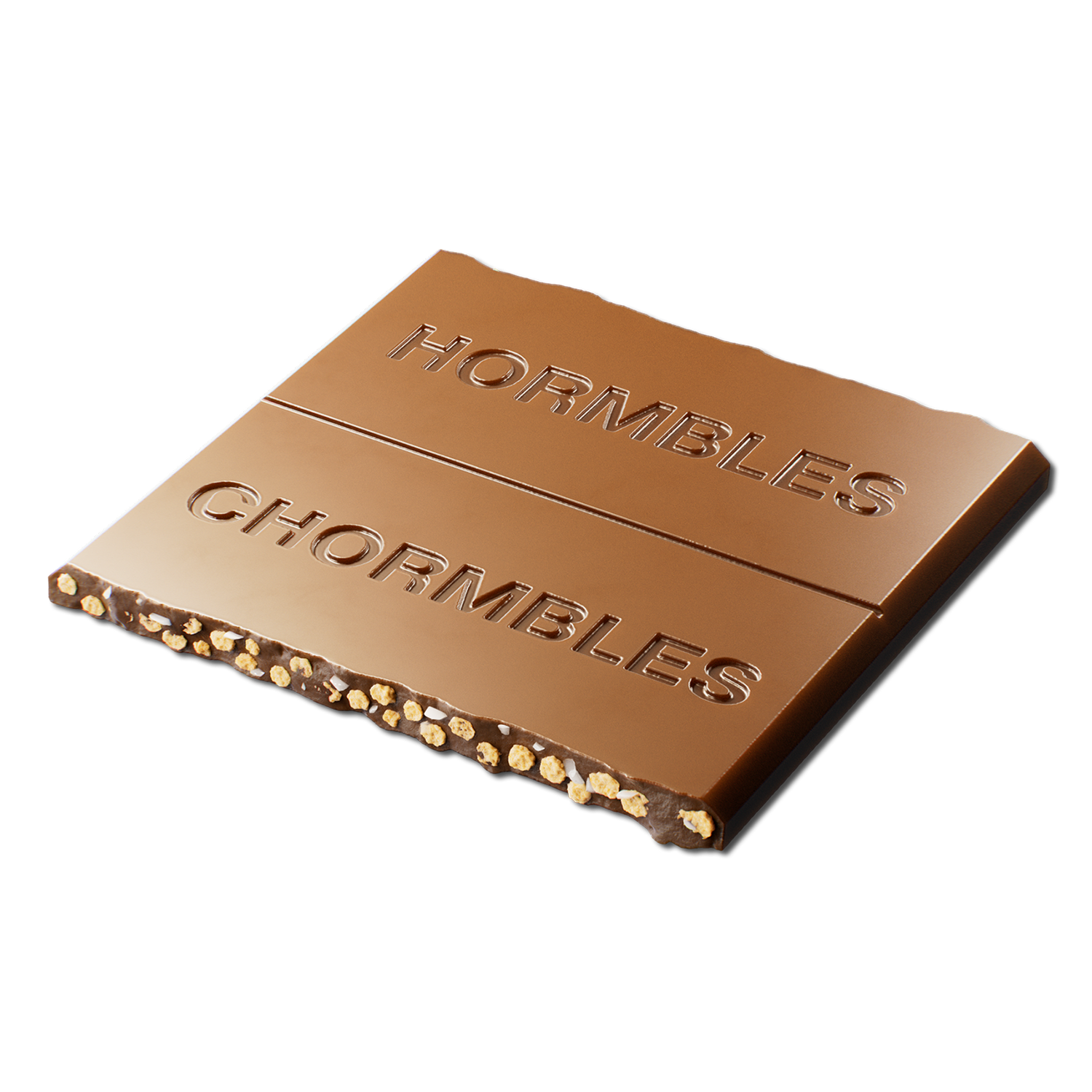


Chocolate Snacks With Protein That Actually Taste Like Chocolate
Most things called "protein chocolate" don't really taste like chocolate. They taste like a protein bar that was finished by dipping it in something chocolate-adjacent. The chalk is in the base, not the coating, and you can taste it. (health benefits of cocoa flavonoids)
In This Article
Chocolate snacks with protein that actually taste like chocolate exist, but the order in which the product was built determines everything about what you're eating. Hormbles Chormbles has 10g protein and 0g added sugar, and it starts from the chocolate experience. That's a different product from a protein bar that added chocolate to hit a taste threshold. (research on added sugar and health)
What Is the Difference Between Protein Chocolate and Candy?
The category "protein chocolate" contains two completely different things built in opposite directions.
The first: a protein formula with chocolate coating or flavor. Starts from a nutrition target, usually 20g+ protein, then works backward toward palatability. The protein source is whey, casein, or soy concentrate.
The chocolate is the finishing step, added to make the nutrition palatable. Most bars fall here: Barebells, Quest, ONE Bar. High protein numbers, identifiable bar format, chocolate is secondary.
The second: a chocolate snack with protein built in. Starts from the chocolate experience and integrates protein as part of the formulation. The protein number is lower, typically 8-12g, but the taste comes first.
Hormbles Chormbles falls here. The difference shows when you eat them side by side.
How Do You Read a Protein Chocolate Label?
Format is the first signal. If it's a bar, it almost certainly started as a protein product. Bars are built around density and protein loading.
Chocolate-covered or chocolate-flavored bars are protein products with a chocolate finish.
Protein source is the second signal. Whey concentrate or isolate, casein, soy protein isolate: these are functional ingredients added to hit a number. They produce the chalky, powdery texture that defines most protein bars.
Eggs, nuts, and seeds can also be protein sources in chocolate-first products without that effect.
Third: look at where chocolate falls on the ingredient list. First or second ingredient means chocolate is the base. Sixth or seventh means it's flavoring.
Ingredient position tells you what the product is mostly made of.
Full Comparison
| Product | Built From | Protein | Added Sugar | Tastes Like Chocolate? |
|---|---|---|---|---|
| Hormbles Chormbles | Chocolate first | 10g | 0g | Yes |
| Barebells Bar | Protein first | 20g | ~2g | Partially |
| Quest Bar | Protein first | 20-21g | ~1g | Partially |
| RXBar Chocolate Sea Salt | Whole food first | 12g | 0g* | Partially |
| Hu Chocolate | Chocolate first | 2-3g | 0g | Yes |
*Dates = natural sugar, not added sugar.
Hu is the only other chocolate-first product in that table. The gap is protein: 2-3g doesn't close the satiety loop. Barebells is the best protein-first option if the protein number is the priority, but eating it next to Hormbles makes the construction difference clear.
Is Protein Chocolate Good to Eat After a Workout?
Post-workout, most people reach for a protein bar because the category has been positioned that way. The actual requirement is protein within a reasonable window, around 20-40g is the research-supported range for muscle protein synthesis, along with minimal blood sugar disruption.
Hormbles at 10g doesn't cover the full post-workout protein need on its own. Paired with another protein source, or used as a reward snack rather than a primary recovery source, it works well. The taste experience after a workout matters.
A snack that feels like a reward is more sustainable than one that feels like medicine.
FAQ
What chocolate snacks with protein actually taste like chocolate?
Hormbles Chormbles tastes like chocolate because it starts from chocolate, not from a protein formula. That's different from protein bars with chocolate coating, where the chocolate is the finish on a nutrition product. Hu Chocolate also tastes genuinely like chocolate but has 2-3g protein.
For both taste and meaningful protein with 0g added sugar, Hormbles is the only option currently.
Why do most protein chocolate products taste chalky?
Chalk texture comes from whey concentrate, casein, or soy protein isolate added to hit a protein target. When protein powder is the base ingredient, the taste of the powder comes through regardless of flavoring. Products that start from chocolate and integrate protein without a protein-powder base avoid this.
The construction order determines the taste.
Is 10g protein enough in a chocolate snack?
For a snack, yes. A 2015 study in the American Journal of Clinical Nutrition identified 30% of total calories from protein as the satiety threshold where calorie intake meaningfully decreases. For a snack in the 140-160 calorie range, 10g lands near that threshold.
Hormbles isn't a meal replacement. It's a snack built to close a craving and register satiety.
How does Hormbles Chormbles compare to Barebells?
Barebells has 20g protein and around 2g added sugar — it's built as a protein bar with a compound chocolate coating. Hormbles Chormbles has 10g protein and 0g added sugar, and starts from actual chocolate rather than a protein matrix with chocolate flavor added. If the taste experience is the priority, that difference is immediately apparent.
Barebells wins on protein quantity. Hormbles wins on taste experience and added sugar. The right choice depends on whether you want a chocolate snack or a protein delivery vehicle that tastes like chocolate.
Can I eat a chocolate protein snack as a post-workout recovery?
As a partial source, yes. Post-workout protein needs are typically 20–40g for optimal muscle protein synthesis. Hormbles Chormbles at 10g contributes meaningfully but doesn't cover the full requirement alone. Pair it with another protein source — Greek yogurt, cottage cheese, or a shake — to reach the full post-workout target.
Paired with another protein source, or used as a reward snack rather than a primary recovery source, the profile works. The 0g added sugar matters post-workout because blood sugar stability supports recovery.
Find Hormbles Chormbles at Target →
Related Reading
- The Problem With "Healthy Chocolate"
- Is Protein Chocolate Actually Good for You?
- What Makes a Chocolate Snack Actually Healthy?
- Best Chocolate Snacks for GLP-1 Users
- GLP-1 and Nausea: Why Light, Crunchy Snacks Work Better
- Healthy Snacks for Weight Loss That Actually Work
- How to Read a Snack Nutrition Label
- Shop Hormbles Chormbles — Milk Chocolate
- Power Candy vs. Protein Bar: Why the Category Name Matters
- No Artificial Sweeteners in Chocolate: Why It Actually Matters
For both"}},{"@type":"Question","name":"Why do most protein chocolate products taste chalky?","acceptedAnswer":{"@type":"Answer","text":"Chalk texture comes from whey concentrate, casein, or soy protein isolate added to hit a protein target. When protein powder is the base ingredient, the taste of the powder comes through regardless of flavoring. Products that start from chocolate and integrate protein without a protein-powder base a"}},{"@type":"Question","name":"Is 10g protein enough in a chocolate snack?","acceptedAnswer":{"@type":"Answer","text":"For a snack, yes.
A 2015 study in the American Journal of Clinical Nutrition identified 30% of total calories from protein as the satiety threshold where calorie intake meaningfully decreases. For a snack in the 140-160 calorie range, 10g lands near that threshold. Hormbles isn't a meal replacement."}},{"@type":"Question","name":"How does Hormbles Chormbles compare to Barebells?","acceptedAnswer":{"@type":"Answer","text":"Barebells has 20g protein and around 2g added sugar.
It's built as a protein bar with a compound chocolate coating. Hormbles has 10g protein and 0g added sugar, and starts from chocolate. Barebells wins on protein quantity.
Hormbles wins on taste experience and added sugar. The right choice depends "}},{"@type":"Question","name":"Can I eat a chocolate protein snack as a post-workout recovery?","acceptedAnswer":{"@type":"Answer","text":"As a partial source, yes. Post-workout protein needs are typically 20-40g for muscle protein synthesis.
Hormbles at 10g contributes meaningfully but doesn't cover the full window alone. Paired with another protein source, or used as a reward snack rather than a primary recovery source, the profile w"}}]}