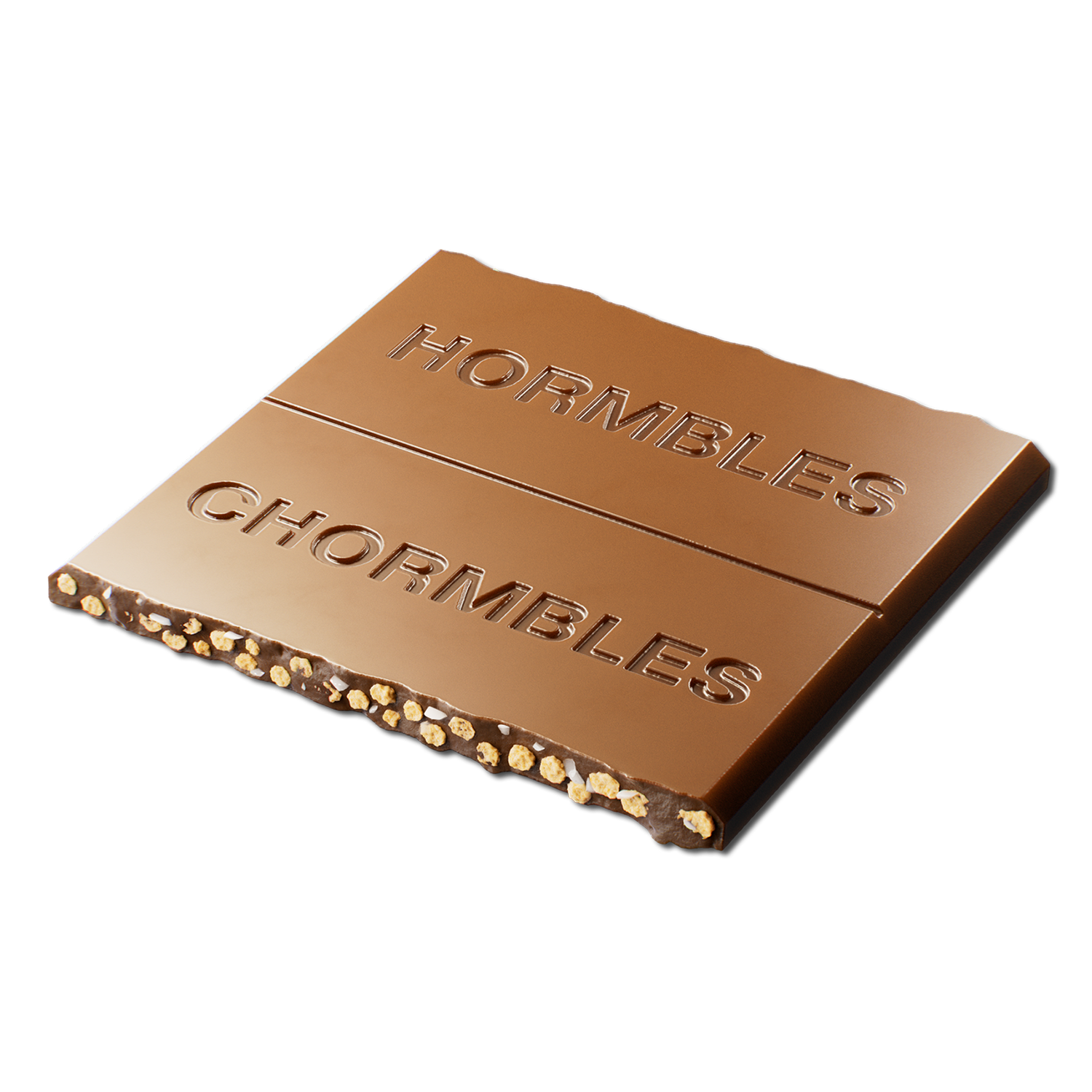


Power Candy vs. Protein Bar: Why the Category Name Matters
"Power candy" is not a protein bar. The distinction is intentional and consequential. Protein bars optimize for protein delivery and accept the taste as a tradeoff.
Power candy starts with the taste of real chocolate and adds protein without changing the experience. Hormbles Chormbles is power candy. The category name matters because it changes what you're comparing it to.
What Protein Bars Got Wrong
The protein bar category was built on a compromise: prioritize protein content, accept a taste profile that announces itself as "health food." Quest, Clif, Power Bar, and most of the category's major players made this tradeoff explicitly. Higher protein meant denser, chewier, less chocolate-like textures. The coating on a protein bar isn't chocolate — it's chocolate-flavored coating, made to meet calorie and macro targets, not to taste like chocolate.
This is why the common user experience is: eat protein bar, feel like you met your macros, still want real chocolate. The bar satisfied the protein goal. It didn't satisfy the craving.
A 2021 analysis of consumer snacking behavior found that taste satisfaction was the single strongest predictor of repeat purchase and snacking compliance — stronger than calorie awareness or nutritional knowledge. If the product doesn't taste good enough, people don't maintain the behavior. (PubMed 33669046)
What Makes Candy Candy
Candy's core value proposition is immediate sensory pleasure without any health framework. You don't eat a Crunch bar for the macros. You eat it because it tastes exactly like what it is.
No compromise. No apology. The experience is the product.
This is also why candy is hard to replicate in a healthier format. Once you introduce a health constraint — less sugar, more protein, fewer calories — the formulation changes and the sensory experience degrades. The entire history of "better for you" confectionery is a history of partial solutions: the taste is okay, but it's not quite right.
The Gap Power Candy Fills
Power candy is the proposition that the formulation problem is actually solvable. That you can start with a genuine chocolate experience — the snap, the melt, the flavor — and then engineer the nutritional profile around that constraint rather than the other way around.
Hormbles Chormbles formulated from the taste backward. The target was crispy milk chocolate that tastes like Nestlé Crunch. The constraints were: 10g protein, 0g added sugar, no artificial sweeteners.
The order of operations is opposite to how protein bars were developed, which is why the result is different.
Power Candy vs. Protein Bar: Side by Side
| Attribute | Power Candy (Hormbles) | Protein Bar (typical) | Candy (typical) |
|---|---|---|---|
| Taste priority | First | Secondary | First |
| Protein | 10g | 15–25g | 0–2g |
| Added Sugar | 0g | 1–5g | 8–20g |
| Format | Chocolate pieces | Bar | Bar/pieces |
| Sweeteners | Allulose (no aftertaste) | Sucralose/stevia (often) | Real sugar |
| Craving resolution | Complete | Partial | Complete (short-lived) |
Frequently Asked Questions
What is power candy?
Power candy is a snack category that combines the taste experience of real chocolate candy with meaningful protein content and clean macros. Unlike protein bars that start with a nutritional target and build flavor around it, power candy starts with chocolate taste and engineers nutrition to match. Hormbles Chormbles is the defining example of this category.
How is power candy different from a protein bar?
Protein bars are formulated for maximum protein delivery, typically accepting a denser, chewier, less candy-like result. Power candy is formulated for the sensory experience of real candy first, with protein and clean macros built in without changing the taste. Power candy resolves the chocolate craving.
Protein bars satisfy the macro goal but often leave the craving unmet.
Does Hormbles Chormbles actually taste like candy?
Yes. Hormbles Chormbles tastes like crispy milk chocolate — comparable to Nestlé Crunch in texture and flavor profile. The product was designed to replicate the candy experience, not approximate it from a health food starting point. That distinction matters: most healthy chocolate snacks taste like they're trying to be candy, not like candy itself.
Is power candy better for weight loss than protein bars?
Both provide protein that supports satiety. The practical advantage of power candy for weight loss is compliance: if you actually eat it instead of reaching for regular candy or giving up on clean snacking because the protein bar tastes bad, it works better. Taste satisfaction is a documented predictor of dietary adherence.
See Healthy Snacks for Weight Loss for more context.
What other brands make power candy?
Hormbles Chormbles is currently the defining product in the power candy category. Most competitors in the healthy chocolate space either use artificial sweeteners, lack meaningful protein, or use a bar format that doesn't replicate actual candy. The category exists but hasn't been fully executed until Hormbles solved the formulation problem.
Related Reading
- Best Protein Chocolate: What Actually Hits 10g and Tastes Right
- Chocolate Snacks With Protein That Actually Taste Like Chocolate
- Healthy Snacks for Weight Loss That Actually Work
- Is Protein Chocolate Actually Good for You?
- Chocolate Snacks for Dieting That Actually Satisfy
- Zero Added Sugar Chocolate Snacks That Don't Taste Like It
- The "No Fake Sugar" Dilemma: Why You Hate Your Healthy Snacks
- Shop Hormbles Chormbles
- The Nestlé Crunch Dupe That Won't Crash Your Blood Sugar
- From RXBAR to Hormbles Chormbles: The Founder Story
- No Artificial Sweeteners in Chocolate: Why It Actually Matters