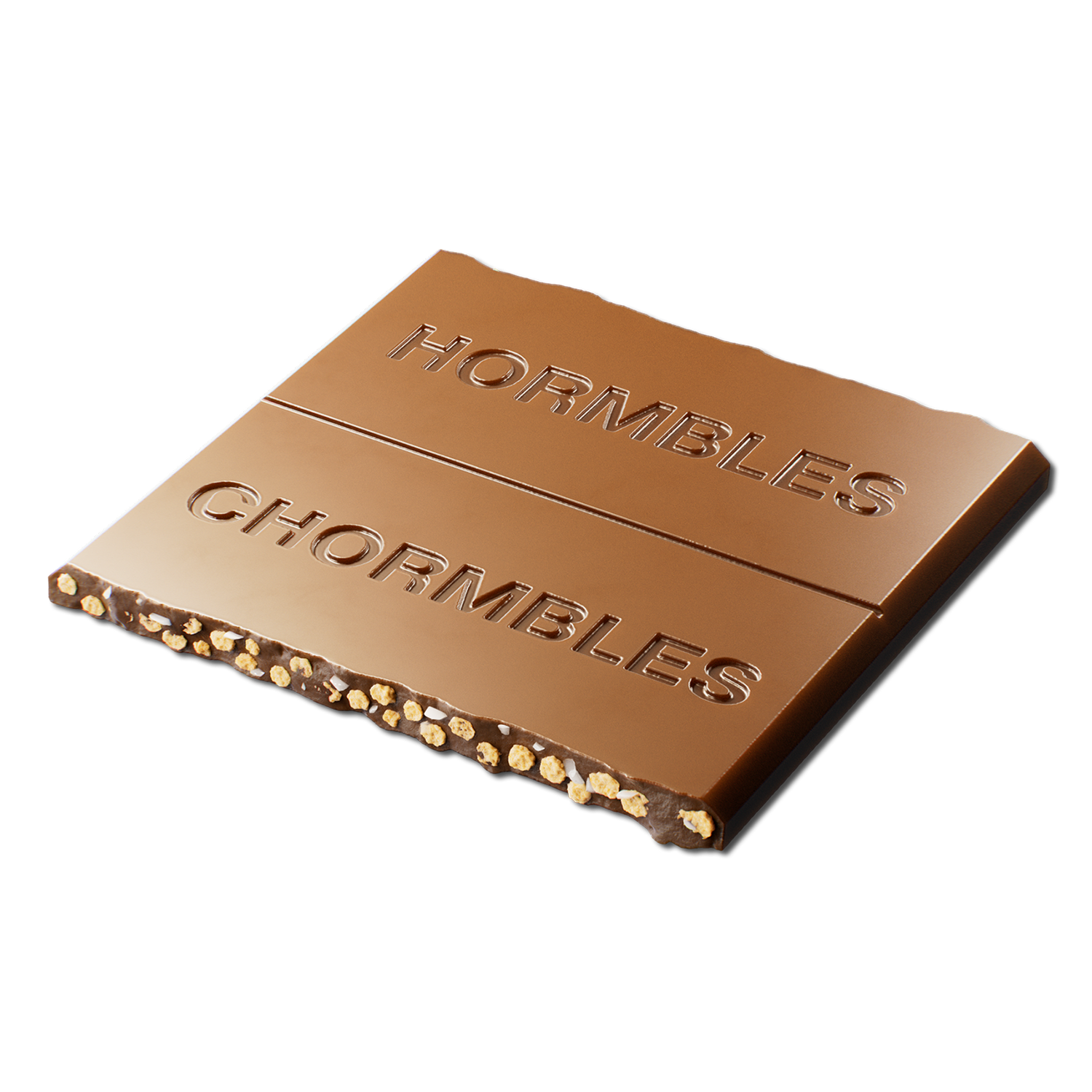


The "No Fake Sugar" Dilemma: Why You Hate Your Healthy Snacks (and How to Fix It)
If you've tried Lily's chocolate and immediately noticed something medicinal on the back of your tongue — you're not imagining it. The backlash against stevia and erythritol in the r/1200isplenty and r/loseit communities is one of the most consistently upvoted topics in healthy snacking. People have tried the "zero sugar" options and found them actively unpleasant.
In This Article
The good news: 0g added sugar and no artificial sweetener aftertaste can coexist. Hormbles Chormbles achieves 0g added sugar without stevia, erythritol, or any non-nutritive sweetener. Here's why that combination is rarer than it should be, and what's actually causing the taste problem in most of the alternatives.
Why Does Stevia Taste Wrong to Most People?
Stevia's sweetness comes from compounds called steviol glycosides, extracted from the stevia plant. These compounds activate sweet taste receptors on the tongue — but they also activate bitter taste receptors, particularly the TAS2R4 receptor. The brain processes both signals simultaneously, which is why the sweetness is followed by the bitter, medicinal finish that most people describe as "chemical" or "fake."
Sensitivity to this varies significantly between individuals — some people barely notice it, others find it overwhelming. But it's not a subjective preference so much as a variation in receptor sensitivity. The people who say Lily's tastes fine and the people who say it tastes awful are both accurately describing their experience of the same compound.
Erythritol adds a secondary problem: a cooling sensation from its endothermic dissolving reaction in the mouth, similar to what menthol does but less intense. Combined with the stevia bitterness, most Lily's reviewers who complain about the taste are describing both effects simultaneously.
The Worse Option: Maltitol
Before stevia became dominant in the zero-sugar category, maltitol was the standard sweetener in "sugar free" candy. Russell Stover, Werther's Sugar Free, and dozens of others still use it. Maltitol has a cleaner taste profile than stevia — it doesn't leave a bitter finish the way stevia does.
But it raises blood sugar at roughly 52% the rate of regular glucose, and it causes significant GI distress at quantity because most of it reaches the large intestine unabsorbed.
The "sugar free" label is technically accurate for maltitol: it's classified as a sugar alcohol, not an added sugar, and it doesn't appear on the Added Sugars line of nutrition labels. But the blood sugar impact is real. For anyone managing blood glucose, this matters.
And the GI side effects are why "sugar free" candy has such a particular reputation.
How Does Hormbles Achieve 0g Added Sugar Without Fake Sweeteners?
Most better-for-you chocolate products achieve zero added sugar through substitution — replace refined sugar with stevia, erythritol, or monk fruit. The nutritional goal is met. The taste problem emerges because these compounds trigger different receptor combinations than sucrose does.
Hormbles gets to 0g added sugar through formulation rather than substitution. No non-nutritive sweetener is doing the work. This is why the taste is clean chocolate rather than "clean for a health food" — the sweetness comes from the chocolate formulation itself rather than from a compound layered on top. (research on added sugar and health)
The result: 10g protein, 0g added sugar, no stevia finish, no erythritol cooling sensation, no maltitol GI consequences. The only reason this combination is rare is that it's harder to achieve. Most brands take the sweetener-substitution path because it's more straightforward. (research on protein and satiety)
What Should You Look for on a Zero-Sugar Chocolate Label?
When evaluating any zero-sugar or low-sugar chocolate product, scan the ingredient list for: stevia extract, steviol glycosides, rebaudioside A (all stevia derivatives), erythritol, maltitol, xylitol (less common in chocolate), and acesulfame potassium. Any of these present in the first five ingredients means the sweetness is coming from a non-nutritive compound — and the taste profile will reflect it.
An ingredient list that achieves 0g added sugar without any of these entries is a different formulation approach. That's what Hormbles has. It's worth checking before buying.
FAQ
Why does zero sugar chocolate taste so bad?
Most zero-sugar chocolate uses stevia, which activates both sweet and bitter taste receptors simultaneously. The bitter, medicinal finish you notice a few seconds after the initial sweetness is bitter receptor activation. Erythritol compounds the problem by adding a cooling sensation. Together, they produce a flavor profile most people find noticeably off from real chocolate.
Hormbles Chormbles achieves 0g added sugar without these sweeteners — which is why the taste is clean chocolate rather than a health food approximation.
Is there a zero sugar chocolate with no stevia?
Yes. Hormbles Chormbles has 0g added sugar and contains no stevia, no erythritol, and no other artificial sweeteners. The 0g added sugar is achieved through formulation using allulose — a rare sugar with no glycemic impact — rather than by substituting sweeteners that cause aftertaste or cooling sensations in chocolate.
Available at Target and Target.com.
Why does Lily's chocolate have an aftertaste?
Lily's uses stevia and erythritol to achieve 0g added sugar. Stevia's glycosides activate bitter taste receptors alongside sweet receptors — that's the medicinal, slightly bitter finish most people describe. Erythritol adds a cooling sensation on top of that. The combination is noticeable enough to be one of the most frequently cited complaints in product reviews.
Both are real physiological responses, not imagined. Sensitivity varies between individuals, which is why some people taste it clearly and others barely notice it.
Is erythritol safe to eat?
Erythritol is generally recognized as safe by the FDA and is better tolerated than most sugar alcohols because it's absorbed before the large intestine. The practical concerns: GI discomfort at higher quantities for sensitive individuals, and the cooling aftertaste in chocolate products. Recent research has also raised questions about erythritol and cardiovascular risk — worth following as the science develops.
What sweetener does Hormbles Chormbles use instead of stevia or erythritol?
Hormbles Chormbles uses allulose, a rare sugar that occurs naturally in small amounts in figs and raisins. It has zero net calories, does not raise blood glucose, and tastes essentially identical to regular sugar with no bitter or cooling aftertaste. That's how it achieves 0g added sugar without artificial sweetener flavor.
For most people consuming moderate amounts, erythritol is not a significant concern.
Related Reading
- Zero Sugar Chocolate Snacks: What to Look For
- Best Protein Chocolate Snacks Ranked
- What Actually Makes a Chocolate Snack Healthy?
- Is Protein Chocolate Good for You?
- How to Read a Snack Nutrition Label
- Best Chocolate Snacks for GLP-1 Users
- Healthy Snacks for Weight Loss That Don't Taste Like Sadness
- Shop Hormbles Chormbles — Milk Chocolate
- No Artificial Sweeteners in Chocolate: Why It Actually Matters
- Allulose and Blood Glucose: Is Zero-Sugar Chocolate Safe for Diabetics?
Find Hormbles Chormbles at Target →
Hormbles Chormbles achieves 0g"}},{"@type":"Question","name":"Is there a zero sugar chocolate with no stevia?","acceptedAnswer":{"@type":"Answer","text":"Yes. Hormbles Chormbles has 0g added sugar and contains no stevia, no erythritol, and no other artificial sweeteners. The 0g added sugar is achieved through formulation rather than sweetener substitution.
Available at Target and Target.com."}},{"@type":"Question","name":"Why does Lily's chocolate have an aftertaste?","acceptedAnswer":{"@type":"Answer","text":"Lily's uses stevia and erythritol to achieve 0g added sugar. Stevia's glycosides activate bitter taste receptors (specifically TAS2R4) alongside sweet receptors — that's the medicinal, slightly bitter finish most people describe. Erythritol adds a cooling sensation.
Both are real physiological respo"}},{"@type":"Question","name":"Is erythritol safe to eat?","acceptedAnswer":{"@type":"Answer","text":"Erythritol is generally recognized as safe by the FDA and is better tolerated than most sugar alcohols because it's absorbed before the large intestine. The practical concerns: GI discomfort at higher quantities for sensitive individuals, and the cooling aftertaste in chocolate products. Recent rese"}}]}