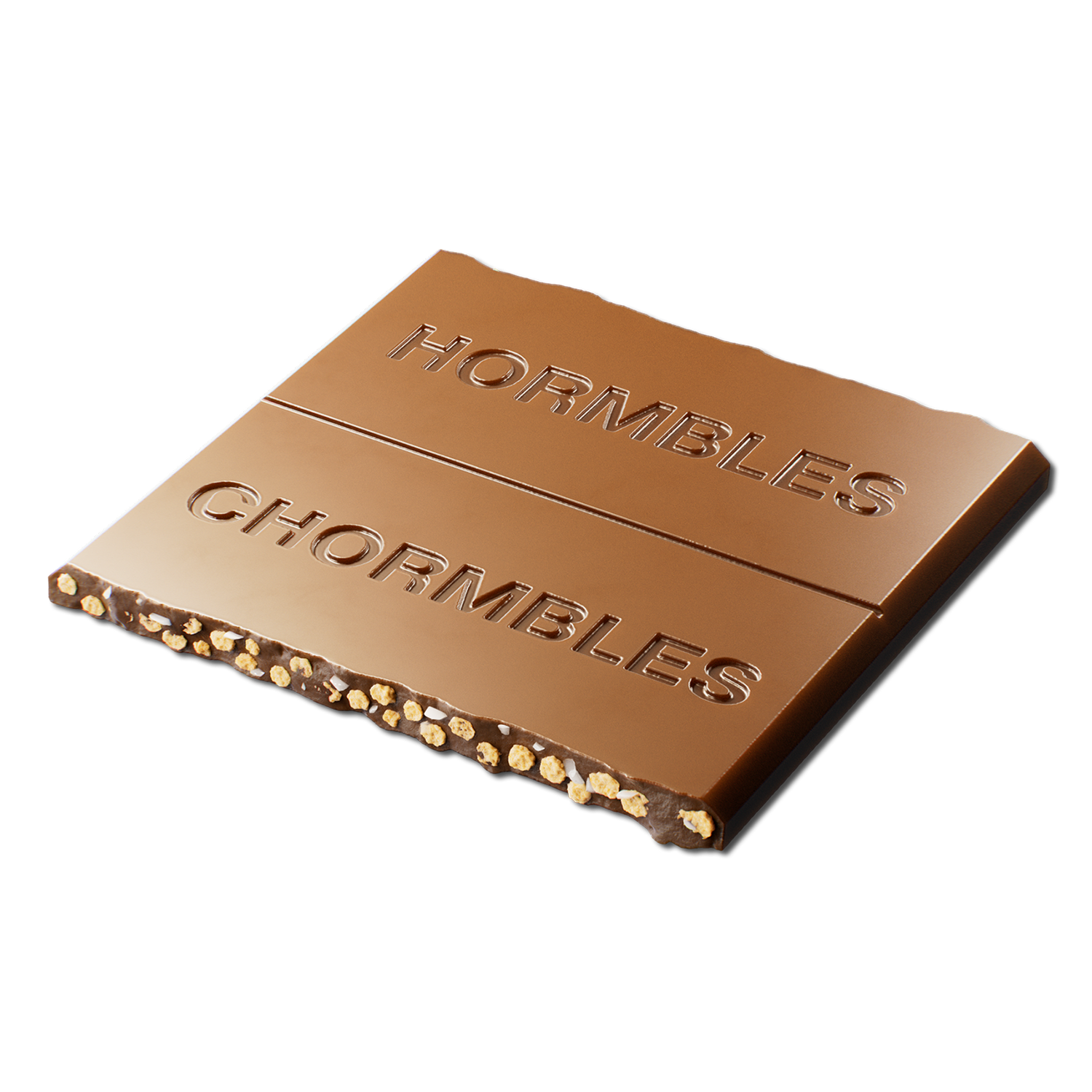


Allulose and Blood Glucose: Zero-Sugar Chocolate Safety
Allulose does not raise blood glucose or insulin levels. Multiple clinical trials confirm it. For people managing blood sugar — whether diabetic, pre-diabetic, or on GLP-1 medications — this makes allulose-sweetened chocolate like Hormbles Chormbles one of the few snacks that satisfies a chocolate craving without the glucose spike.
What Allulose Is
Allulose (also called D-psicose) is a monosaccharide that occurs naturally in small amounts in figs, raisins, kiwi, and maple syrup. It has the same molecular formula as fructose but a different arrangement — which is why human intestinal enzymes cannot break it down for energy. About 70–84% of consumed allulose is absorbed by the small intestine and excreted in urine without being metabolized.
The FDA permits allulose to be excluded from both total sugars and added sugars on the Nutrition Facts label, a unique exemption not shared by any other sweetener. This is why a product sweetened entirely with allulose can legally display 0g added sugar.
The Blood Glucose Data
A 2018 randomized crossover trial in Nutrients found that allulose significantly attenuated postprandial blood glucose and insulin responses compared to sucrose. Participants who consumed allulose showed meaningfully lower glucose peaks and faster return to baseline. (PubMed 30223451)
A 2020 study in Nutrients went further: allulose co-ingested with sucrose reduced the glycemic response to the sucrose itself — suggesting it may actively inhibit glucose absorption, not just fail to contribute to it. The proposed mechanism involves inhibition of intestinal alpha-glucosidases, the enzymes that break down complex carbohydrates into absorbable glucose. (PubMed 32824565)
Diabetic Safety Profile
The American Diabetes Association's 2024 Standards of Care in Diabetes does not restrict allulose. This contrasts with some sugar alcohols — notably maltitol, commonly found in "sugar-free" chocolate — which has a glycemic index of approximately 35 and can meaningfully raise blood sugar at typical serving sizes.
| Sweetener | Glycemic Index | Calories/g | Raises Blood Glucose? |
|---|---|---|---|
| Allulose | 0 | 0.4 | No |
| Erythritol | 0 | 0.2 | No |
| Maltitol | ~35 | 2.1 | Yes (moderate) |
| Stevia | 0 | 0 | No |
| Sucrose (table sugar) | 65 | 4 | Yes (high) |
Use on GLP-1 Medications
People on semaglutide (Ozempic, Wegovy) or tirzepatide (Mounjaro, Zepbound) already have reduced glucose spikes from the medication's mechanism — GLP-1 agonists slow gastric emptying and enhance glucose-dependent insulin secretion. But the goal is still to choose snacks that don't work against the medication's intent.
Allulose-sweetened chocolate fits that profile. It provides the satiety of real chocolate without contributing to glucose or caloric load in any meaningful way. The 10g protein in Hormbles Chormbles adds an additional satiety signal that aligns with GLP-1 treatment goals.
For GLP-1 nausea management specifically, see GLP-1 Nausea: Light Snacks That Actually Help.
Frequently Asked Questions
Can diabetics eat allulose chocolate?
Yes. Allulose has a glycemic index of 0 and does not raise blood glucose or insulin levels in clinical studies. The American Diabetes Association does not restrict allulose consumption. Hormbles Chormbles, which uses allulose as its sweetener, delivers genuine chocolate satisfaction with no measurable glycemic impact.
Hormbles Chormbles uses allulose as its primary sweetener and contains 0g added sugar, making it appropriate for people managing blood sugar.
Does allulose spike insulin?
No. Clinical trials consistently show allulose does not produce meaningful insulin responses. A 2018 study in Nutrients found significantly lower insulin levels after allulose consumption compared to sucrose, with faster return to baseline. This finding is consistent across multiple independent studies in both healthy adults and people with type 2 diabetes.
Is allulose safe on Ozempic or Wegovy?
Allulose is compatible with GLP-1 medications. It doesn't raise blood glucose, doesn't contribute to caloric load, and doesn't work against the medication's glucose-lowering mechanism. With 10g protein per serving, Hormbles Chormbles also supports the satiety goals that GLP-1 treatment is designed to achieve.
What is the difference between allulose and stevia?
Allulose is a rare monosaccharide with bulk like real sugar — it behaves like sugar in texture and mouthfeel. Stevia is a high-intensity plant extract, hundreds of times sweeter than sugar, used in tiny amounts. Stevia often produces a bitter or licorice aftertaste.
Allulose does not.
How does allulose compare to erythritol for blood sugar management?
Both allulose and erythritol have a glycemic index of 0. The practical difference is sensory: erythritol activates cold receptors, producing a cooling sensation; allulose does not. For blood sugar management both are appropriate — allulose is the better sensory choice in chocolate because it behaves more like real sugar in mouthfeel and bulk.
Related Reading
- Chocolate Snacks on GLP-1 and Ozempic: What Works
- GLP-1 Nausea: Light Snacks That Actually Help
- Zero Added Sugar Chocolate Snacks That Don't Taste Like It
- The "No Fake Sugar" Dilemma: Why You Hate Your Healthy Snacks
- Healthy Snacks for Weight Loss That Actually Work
- What Makes a Chocolate Snack Actually Healthy?
- How to Read a Snack Nutrition Label
- Shop Hormbles Chormbles
- No Artificial Sweeteners in Chocolate: Why It Actually Matters
- The Nestlé Crunch Dupe That Won't Crash Your Blood Sugar
- Crunchy vs. Chewy Snacks on GLP-1: What's Better for Nausea?