

How to Read a Snack Nutrition Label
How to Read a Snack Nutrition Label
The snack nutrition label tells you everything you need to know, if you know which lines to look at. Most people focus on calories. Calories are relevant but rarely the most useful field.
Here's the quick version: check added sugar first, then protein, then ingredient order. Everything else is secondary.
In This Article
Table of Contents
- Serving Size (Start Here)
- Added Sugars (Most Important)
- Protein
- Ingredient List
- What to Ignore
- How to Compare Two Snacks Fast
- Frequently Asked Questions
Serving Size (Start Here)
Every other number on the label is relative to the serving size. A snack that looks like 100 calories might be a two-serving package. Eat the whole thing and you've consumed 200 calories.
Check the serving size before reading anything else, and check how many servings are in the container.
This is the most common way that snack packaging misleads buyers. The front of the package shows numbers per serving. The serving size is set by the manufacturer.
A "serving" of chips might be 15 chips. Nobody eats 15 chips.
Calories
Calories matter in the context of your total daily intake, but they're not a quality signal on their own. A bag of almonds and a bag of gummy bears can have similar calorie counts. The nutritional content is completely different.
Use calories as context, not as a primary filter when evaluating snacks.
What Are Added Sugars and Why Do They Matter?
This is the most important line on the label for snack evaluation. It's listed under total carbohydrates, below the total sugars line. The distinction matters:
- Total sugars = added sugar + naturally occurring sugar from dairy, fruit, or cocoa
- Added sugars = what the manufacturer added to make it taste sweet
Naturally occurring sugars come with fat, protein, and fiber that slow absorption. Added sugar has no such buffer. It enters the bloodstream faster, causes a sharper blood sugar spike, and leads to a faster crash that triggers more cravings. (research on protein and satiety) (dietary fiber and appetite regulation)
Aim for 0g added sugar. Anything under 5g is reasonable. Over 10g per serving means the snack is functioning like candy regardless of other claims on the label.
What makes a chocolate snack healthy applies this criteria specifically to the chocolate snack category.
Protein
Protein slows digestion, blunts blood sugar response, and increases satiety. For a snack to meaningfully affect hunger and energy levels, look for at least 8-10g of protein per serving. Under 5g has limited functional impact on satiety.
The chocolate snacks with protein guide covers the mechanism in detail and shows how to evaluate which snacks actually deliver.
A useful rough calculation: divide total calories by grams of protein. A ratio under 15 (150 calories, 10g protein) signals a protein-dense snack. Most candy sits at 30 or higher on this ratio.
Fiber
Fiber slows glucose absorption similarly to protein. It won't make a bad snack good on its own, but it's a positive signal. Look for at least 2-3g per serving.
It's a supporting metric, not the primary filter.
Ingredient List
Ingredients are listed in order by weight. The first ingredient is the most prevalent in the product. Apply this rule: if sugar, corn syrup, or any added sweetener appears in the first two or three ingredients, that snack is primarily a sugar delivery system regardless of what the front of the package says.
Look for protein sources near the top of the list: whey, milk protein, nuts, pea protein, casein. The protein chocolate guide covers what specific protein sources mean and how to read "proprietary blend" language.
What Should You Ignore on a Snack Nutrition Label?
Front-of-package claims are marketing, not nutrition information:
- "All natural": not a regulated health claim
- "Organic": addresses farming method, not nutritional quality or glycemic impact
- "No artificial flavors": says nothing about added sugar content
- "Gluten free": a dietary restriction accommodation, not a health indicator
- "Low fat": fat isn't the primary issue in most snacks; added sugar is
How Do You Compare Two Snack Labels Quickly?
Look at three fields in this order:
- Added sugars (lower is better; 0g is the target)
- Protein (higher is better; 8g+ is meaningful)
- First three ingredients (look for protein sources, not sugar at the top)
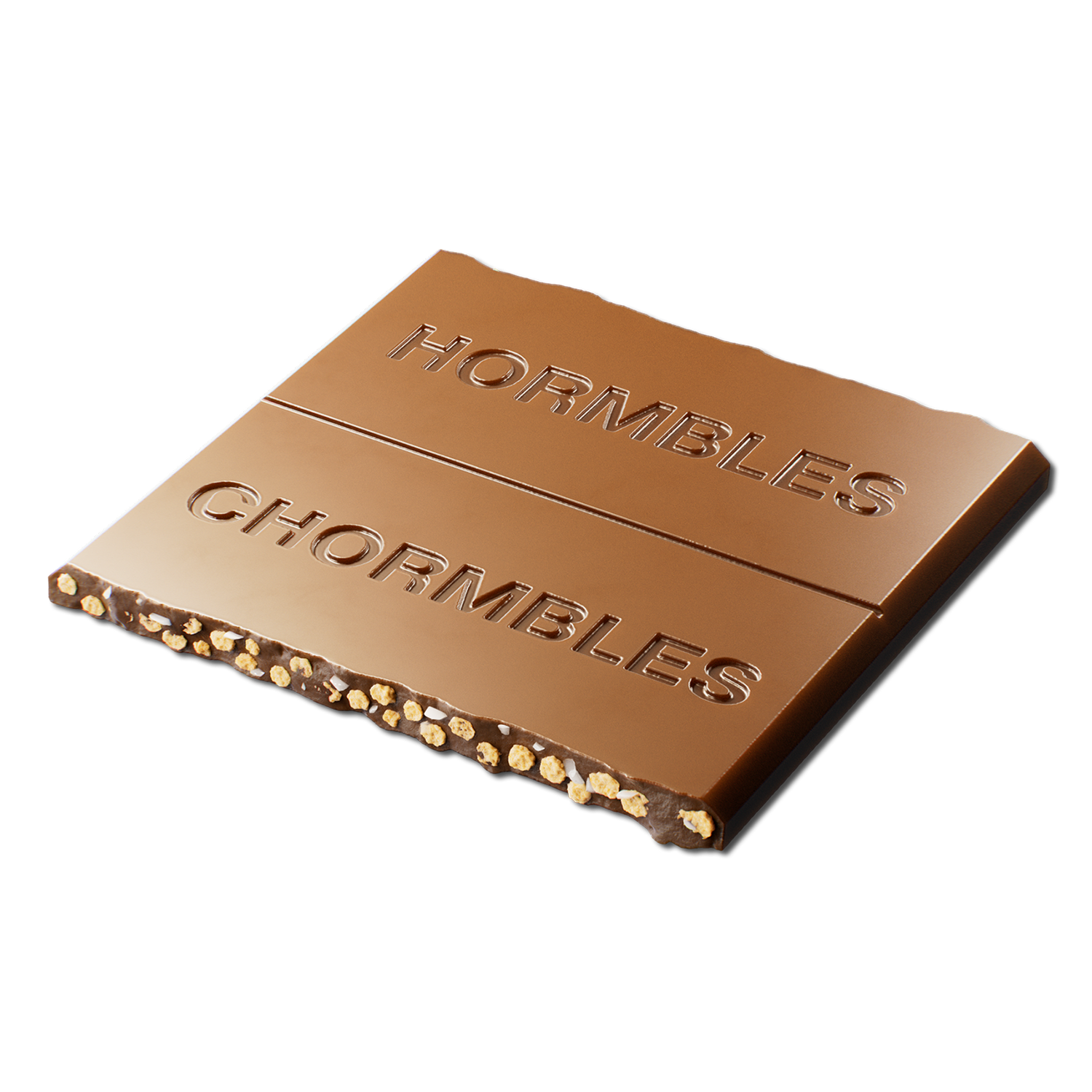
That's the 60-second evaluation. A snack that passes all three is worth buying. Hormbles Chormbles score 0g added sugar, high protein per serving, and protein sources near the top of the ingredient list.
Use that as the benchmark when comparing other options. For snacks specifically chosen to support weight management, healthy snacks for weight loss applies these same criteria to a curated list.
If you're evaluating snacks in a specific context, these guides apply the label-reading criteria to particular use cases:
- Chocolate snacks for travel and on the go
- Chocolate snacks for GLP-1 users
- Healthy Halloween candy alternatives
Frequently Asked Questions
What is the most important thing to check on a nutrition label?
Added sugar. It's listed under total carbohydrates as "Added Sugars" on the Nutrition Facts panel. This field shows how much sugar was added during manufacturing, separate from naturally occurring sugars.
0g is the target. Over 10g per serving means the snack is functioning like candy regardless of front-of-package claims.
What does "added sugars" mean on a nutrition label?
Added sugars are sugars put into the product during manufacturing, as opposed to naturally occurring sugars from dairy, fruit, or cocoa. Naturally occurring sugars come with fat, protein, and fiber that slow their absorption into the bloodstream. Added sugars have no such buffer.
The "added sugars" line is separate from total sugars on the label.
How do I read a nutrition label to avoid blood sugar spikes?
Check added sugars (aim for 0g), protein (aim for 8-10g+), and fiber (aim for 2-3g+). All three slow glucose absorption and flatten the blood sugar response. Verify the ingredient list to confirm sugar isn't one of the first two or three ingredients.
The combination of 0g added sugar and high protein is the most effective pairing.
What does serving size mean on a nutrition label?
Every number on the label is calculated for the serving size listed. If a package contains two servings and you eat the whole thing, double every number on the label. The serving size is set by the manufacturer, so always check servings per container alongside the per-serving numbers before comparing products.
How do I compare two snacks using the nutrition label?
Look at added sugars, protein, and the first three ingredients in that order. The snack with lower added sugar, higher protein, and protein sources near the top of the ingredient list is the better nutritional choice. Make sure you're comparing the same serving sizes, or adjust proportionally if the serving sizes differ.
Is "organic" a meaningful health claim on a snack label?
No, not in the nutritional sense. Organic certification addresses how the ingredients were grown, not their impact on your body. Organic cane sugar raises blood sugar the same way conventional cane sugar does.
A snack can be certified organic and still have 20g of added sugar per serving. Always use the Nutrition Facts panel, not front-of-package claims.
Reading a snack nutrition label takes under 60 seconds once you know what to look for. Check added sugar first. Check protein second.
Check ingredient order third. Hormbles Chormbles score 0g added sugar, high protein, and protein sources near the top of the list. That's the benchmark.
Use it to evaluate everything else.
Related Reading
- What Makes a Chocolate Snack Actually Healthy?
- Is Protein Chocolate Actually Good for You?
- Zero Added Sugar Chocolate Snacks That Don't Taste Like It
- The "No Fake Sugar" Dilemma: Why You Hate Your Healthy Snacks
- The Problem With "Healthy Chocolate"
- Chocolate Snacks With Protein That Actually Taste Like Chocolate
- Healthy Snacks for Weight Loss That Actually Work
- Shop Hormbles Chormbles — Milk Chocolate
- No Artificial Sweeteners in Chocolate: Why It Matters
- Allulose and Blood Glucose: Zero-Sugar Chocolate Safety
- High-Protein Chocolate at Target: Clean Macros
0g is the target. Over 10g per serving means the snack is functioning like candy regardless of "}},{"@type":"Question","name":"What does \"added sugars\" mean on a nutrition label?","acceptedAnswer":{"@type":"Answer","text":"Added sugars are sugars put into the product during manufacturing, as opposed to naturally occurring sugars from dairy, fruit, or cocoa. Naturally occurring sugars come with fat, protein, and fiber that slow their absorption into the bloodstream.
Added sugars have no such buffer. The \"added sugars\" "}},{"@type":"Question","name":"How do I read a nutrition label to avoid blood sugar spikes?","acceptedAnswer":{"@type":"Answer","text":"Check added sugars (aim for 0g), protein (aim for 8-10g+), and fiber (aim for 2-3g+). All three slow glucose absorption and flatten the blood sugar response.
Verify the ingredient list to confirm sugar isn't one of the first two or three ingredients. The combination of 0g added sugar and high protei"}},{"@type":"Question","name":"What does serving size mean on a nutrition label?","acceptedAnswer":{"@type":"Answer","text":"Every number on the label is calculated for the serving size listed. If a package contains two servings and you eat the whole thing, double every number on the label.
The serving size is set by the manufacturer, so always check servings per container alongside the per-serving numbers before comparin"}},{"@type":"Question","name":"How do I compare two snacks using the nutrition label?","acceptedAnswer":{"@type":"Answer","text":"Look at added sugars, protein, and the first three ingredients in that order. The snack with lower added sugar, higher protein, and protein sources near the top of the ingredient list is the better nutritional choice. Make sure you're comparing the same serving sizes, or adjust proportionally if the"}},{"@type":"Question","name":"Is \"organic\" a meaningful health claim on a snack label?","acceptedAnswer":{"@type":"Answer","text":"No, not in the nutritional sense.
Organic certification addresses how the ingredients were grown, not their impact on your body. Organic cane sugar raises blood sugar the same way conventional cane sugar does. A snack can be certified organic and still have 20g of added sugar per serving. Always use"}}]} (health benefits of cocoa flavonoids)