
The Hand-to-Mouth Habit: Munchable Chocolate Snacks
In This Article
Movie nights have a specific snacking psychology that is completely different from a sit-down meal or a mid-afternoon snack. The screen occupies your attention, your hands need something to do, and the two-hour duration creates a prolonged snacking window that a single protein bar simply does not fill.
The hand-to-mouth habit — the rhythmic, almost unconscious reaching for the next piece while watching — is not a discipline problem. It is a sensory-behavioral pattern with a real neurological basis. Getting it right means satisfying the pattern with something that has volume and duration, not just one satisfying bite. The connection to sweet craving management here is that movie night is one of the highest-risk moments for the sweet snack to turn into a full bag of candy.
Why One-Bite Bars Fail Movie Night
A standard protein bar is designed for a different use case: a quick, portable, one-and-done nutrition delivery. It is 60-90 seconds of eating, maximum. That is fine for a pre-workout or a breakfast replacement — it is completely wrong for a two-hour movie. The bar is gone before the opening credits roll, which leaves the hand-to-mouth need unsatisfied for the remaining 110 minutes.
What follows is typically one of two outcomes: either you watch the movie uncomfortable and distracted by the unsatisfied snacking urge, or you reach for whatever else is in the kitchen — usually something much less intentional. The solution is not a bigger bar; it is a format that allows extended grazing without high caloric density per piece.
This is the same problem that makes popcorn such a culturally durable movie snack — not because it is nutritionally impressive, but because it delivers the hand-to-mouth experience for the full duration of a film at relatively low calories per handful. The question is whether you can find a chocolate equivalent that delivers the same extended munchability with better nutritional credentials.
The Psychology of Munchable Snacking
The hand-to-mouth habit while watching a screen is driven by two overlapping mechanisms: attentional displacement (your hands need something to do while your attention is captured by the screen) and dopamine-driven oral fixation (each reach-and-eat creates a small reward cycle that the brain repeats). Neither of these is satisfied by a single large-serving snack.
Research on distracted eating shows that people consume significantly more food while watching screens compared to mindful eating contexts — not because they are hungrier, but because the screen removes the conscious monitoring that normally regulates eating. This is the hidden risk of movie night snacking: the same distraction that makes the movie enjoyable also removes your ability to track what you are eating.
The practical implication is that pre-portioning is even more critical for screen-time snacking than for other contexts. Put a specific amount of snack in a bowl before the movie starts — do not bring the bag to the couch. This decision-point intervention is one of the most consistent findings in eating behavior research. Understanding the nighttime binge cycle helps you see why movie night is a common trigger.
Making the Hand-to-Mouth Habit Work for You
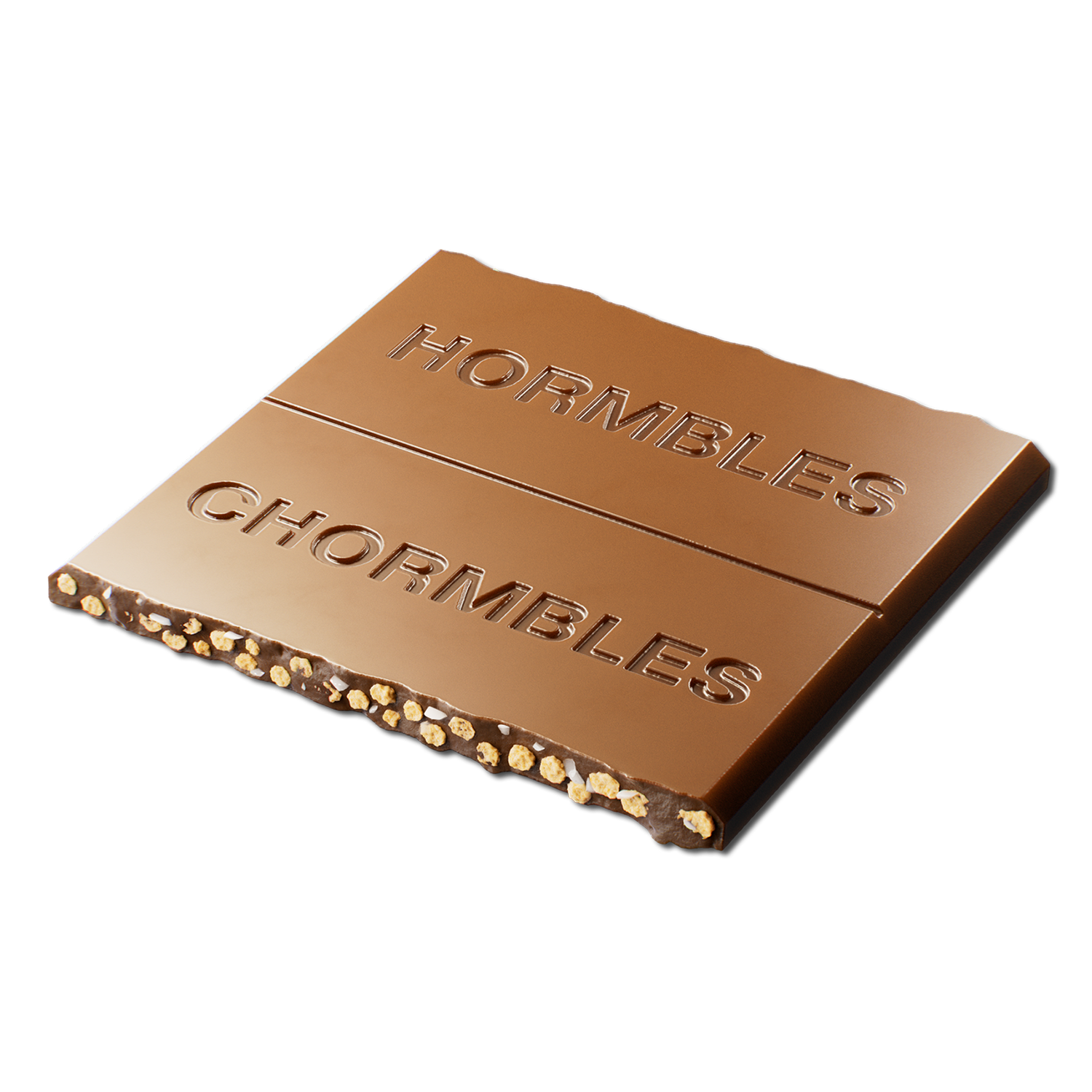
A pre-portioned bowl of individual Hormbles Chormbles pieces provides the extended munchability of popcorn with 10g of protein and zero added sugar. Each piece is small enough to pick up individually, crunchy enough to satisfy the sensory component, and chocolatey enough to satisfy the sweet-treat psychology of movie night.
The key is portioning before you start. One serving in a bowl, with a glass of water. The water is not just hydration — it occupies your hand between bites and physically slows the eating pace without requiring conscious effort. If you want more volume without more calories, pair the Hormbles with air-popped popcorn lightly seasoned with sea salt — the combination gives you a larger physical volume to work through at similar caloric density.
If you are managing weight and specifically trying to reduce evening calorie intake, read why the 9 PM dopamine chase happens — movie night is often the same mechanism operating with a screen trigger rather than a day-end-exhaustion trigger. The same pre-portioning strategy applies in both contexts. Cross-reference with healthy nighttime chocolate options for a full picture of your evening snacking toolkit.
The movie night protocol
- Pre-portion before the movie starts — never bring the full bag
- Use a bowl, not a bag — the visual cue of an empty bowl helps you stop
- Pair with a large glass of water or herbal tea
- Choose crunchy formats over smooth — they satisfy the munchability need with fewer pieces
- Set the bowl out of arm's reach — adds friction to mindless reaching
Frequently Asked Questions
Why do I always want to snack during movies?
Screen watching captures visual and auditory attention but leaves the hands and mouth underoccupied. The brain fills this gap with the familiar reward pattern of eating, and the reduced conscious monitoring from distraction removes the normal awareness that regulates portion size. Movie snacking is not driven by hunger — it is driven by attentional displacement and the dopamine reward cycle of repeated eating actions. Pre-portioning is the most effective intervention because it addresses the behavior before distraction sets in.
What are the best snacks for movie night that won't derail my diet?
The best movie night snacks have high piece count per calorie (allowing extended munchability), some protein (to prevent blood sugar crashes mid-film), and a satisfying flavor. Air-popped popcorn, individual pieces of crispy high-protein chocolate, and mixed nuts in pre-measured portions are the top options. The combination of popcorn for volume and protein chocolate for sweetness and satiety covers both the munchability and craving needs without significant caloric cost.
How do I stop eating so much during movies?
Pre-portioning into a bowl before the movie starts is the single most effective strategy. Research consistently shows people eat less when they have a visual endpoint (an empty bowl) versus eating directly from a bag with no natural stopping point. Setting the bowl slightly out of easy reach adds friction to mindless reaching. Pairing any snack with water occupies the hand between bites and naturally slows the eating pace without requiring active decision-making during the movie.
Can chocolate snacks be good for grazing?
Yes — if the format supports it. Individually small pieces that can be eaten one at a time (like individually portioned chocolate snacks or small chocolate-covered pieces) are much better for extended grazing than a bar that requires breaking or biting. The small-piece format allows repeated reach-and-eat cycles at very low calories per cycle. Zero-sugar chocolate eliminates the blood sugar spike-crash cycle that can turn grazing into bingeing.
Is it worse to snack at night than during the day?
For most people in energy balance, the timing of calorie intake matters less than the total. The reason nighttime snacking is more problematic in practice is behavioral rather than strictly metabolic: evening is when willpower is depleted, distractions are higher (screens, social interaction), and the emotional eating drivers are most active. The same snack in the same portion eaten at 3 PM and 9 PM has essentially the same metabolic consequence — the issue is that the 9 PM version is rarely the same snack or the same portion.