
The Texture Trap on Ozempic
In This Article
Ozempic does not just suppress appetite â it sensitizes your digestive system in ways that make some foods genuinely uncomfortable to eat. Dense, chewy, or heavy snacks that were fine before starting the medication can suddenly cause significant nausea and GI distress.
Understanding why this happens â and which textures consistently work better â is one of the most practical pieces of information for anyone navigating the early weeks of GLP-1 medication. The food choices you make in this window affect not just comfort but whether you maintain adequate protein intake. Read about the muscle loss risk on suppressed appetite if you have not yet â texture is the gateway problem, but protein is the clinical one.
Why Texture Matters on Ozempic
GLP-1 medications slow gastric emptying â the rate at which food leaves the stomach and enters the small intestine. When gastric emptying is slowed, dense or high-volume foods sit in the stomach longer than usual. This creates a sensation of uncomfortable fullness, distension, and nausea that most people describe as feeling like the food will not "go down."
The vagus nerve, which connects the gut to the brain, becomes more sensitive under GLP-1 activation. Mechanical stretch signals â caused by volume or density in the stomach â travel up the vagus nerve and trigger nausea more easily than before. This is a pharmacological effect, not a sensitivity to the food itself.
Texture is the physical variable that determines how much mechanical stretch a food creates. Dense, chewy foods require more volume and create more stomach distension per calorie consumed. Light, airy, crispy foods create less distension at the same caloric content. This is the foundation of why crunchy versus chewy on GLP-1 is a meaningful distinction, not just a preference.
The Dense and Chewy Problem
Chewy protein bars are among the most commonly reported GLP-1 problem foods. Their dense, sticky texture requires significant chewing and stomach volume. Many also contain sugar alcohols like maltitol, which ferment in the gut and add bloating and cramping to the mix. The combination of density, volume, and fermentable sweeteners is a recipe for misery on a sensitized digestive system.
Meat and dense proteins present similar challenges. A chicken breast that was a routine lunch before medication can feel like a brick in your stomach on Ozempic. This is why protein delivery through lighter formats becomes so important â the protein needs do not disappear just because the stomach tolerates dense food less well. See light snacks for GLP-1 nausea for a practical breakdown of what consistently works.
Heavy dairy products â full-fat yogurt, cottage cheese in large portions â can also trigger discomfort because of their density and the slowed gastric emptying interaction with dairy fat. Lower-fat, lower-density versions are better tolerated, but the larger issue is always portion size.
Light and Crispy as the Solution
Light, crispy foods have a low density-to-volume ratio. Puffed grains, crispy rice, and airy chocolate coatings create the sensation of eating without significant stomach bulk. They satisfy the oral and sensory need for food while minimizing the mechanical stretch that triggers nausea through the vagus nerve pathway.
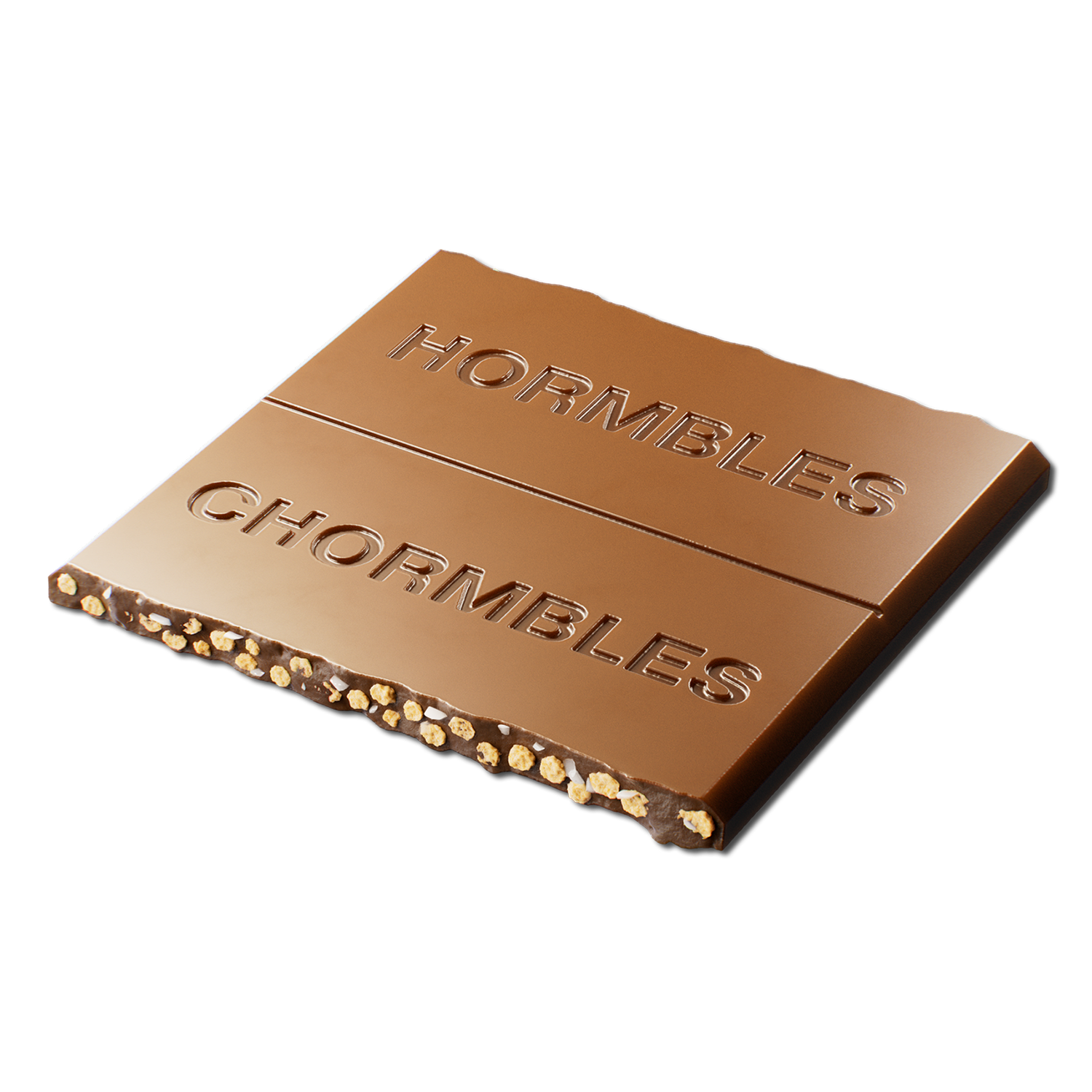
This is the design principle behind Hormbles Chormbles â a crispy puffed interior coated in real chocolate delivers both texture satisfaction and 10g of protein without the density that causes GLP-1 discomfort. The format was specifically built for situations where eating should feel light, not like work.
Other light-and-crispy options that work well on Ozempic include rice cakes with a thin protein topping, popcorn with added protein, and air-popped chip formats. The rule is: if it would fill a mixing bowl if poured out, it is probably light enough. If it would sit at the bottom of the bowl, it is probably too dense. See chocolate snacks for dieting for a broader framework that also applies well to GLP-1 use cases.
Texture rating for common GLP-1 snacks
- Crispy chocolate snacks: Excellent â low density, fast digestion, satisfying crunch
- Rice cakes: Good â very light, but add protein to make them complete
- Chewy protein bars: Poor â dense, often contain gut-irritating sweeteners
- Protein shakes: Variable â liquid volume can cause nausea, but small sips tolerated
- Dense meat: Poor in early weeks â slowed gastric emptying makes large portions difficult
Your sweetener choice matters as much as texture â avoid maltitol and sugar alcohols that ferment in the gut regardless of how light the snack's physical format is.
Frequently Asked Questions
Why do some foods cause nausea on Ozempic that never did before?
Ozempic slows gastric emptying and sensitizes the vagus nerve â the connection between the gut and brain. Dense, heavy, or high-volume foods create more mechanical stretch in the stomach than before, and that stretch signal travels more powerfully to the nausea center in the brain. Foods that were previously fine can cause significant discomfort because the physiological threshold for the nausea response is lower on GLP-1 medication.
What textures are easiest to eat on Ozempic?
Light, airy, and crispy textures are consistently the easiest. Puffed grains, crispy chocolate formats, rice-based snacks, and popcorn create minimal stomach bulk relative to their volume. Dense proteins, chewy bars, sticky foods, and anything high in fat content tend to sit uncomfortably in the slowed-emptying stomach. When nausea is active, a light crispy snack is almost always better tolerated than any dense alternative.
Are chewy protein bars bad on GLP-1 medications?
Most chewy protein bars perform poorly on GLP-1 medications for two reasons. Their dense, sticky texture requires significant stomach processing time, which the slowed gastric emptying of GLP-1 medications amplifies into discomfort. Many also contain maltitol or other fermentable sugar alcohols that cause bloating and cramping on a sensitized gut. Crispy protein formats are a significantly better choice for the same protein delivery."}},{"@type":"Question","name":"Can I still meet my protein needs on Ozempic?","acceptedAnswer":{"@type":"Answer","text":"Yes, but the strategy shifts from large protein-dense meals to frequent small protein-containing snacks. Distributing 10-15g of protein across 4-5 daily occasions is easier on a suppressed, sensitized digestive system than eating 40-50g at one sitting. High-protein, light-textured snacks like crispy chocolate are one of the most effective tools for maintaining protein intake when traditional protein sources become difficult to eat."}},{"@type":"Question","name":"How long does the texture sensitivity last on Ozempic?","acceptedAnswer":{"@type":"Answer","text":"Texture-related nausea is typically most intense in the first 4-8 weeks of GLP-1 medication or after a dose increase. Most people find some tolerance returns as the digestive system adapts. However, the slowed gastric emptying effect persists throughout medication use â so lighter food formats remain preferable even after the acute nausea phase resolves. Building the light-and-crispy habit early makes the long-term adjustment easier."}}]}