
Maintaining Muscle on GLP-1 With Suppressed Appetite
In This Article
GLP-1 medications like Ozempic and Wegovy are highly effective at reducing appetite â sometimes too effective. When you cannot eat a full meal, hitting your daily protein target becomes a serious challenge. Inadequate protein on a significant caloric deficit accelerates muscle loss alongside fat loss.
This is not a minor aesthetic concern. Muscle mass drives metabolic rate, functional strength, and long-term weight maintenance. Losing significant muscle during a GLP-1 weight loss phase means your metabolism is slower when you reach your goal weight â making regain far more likely. If you have looked at chocolate snacks for GLP-1 users, this muscle protection angle is why protein content matters so much in snack selection.
The Muscle Loss Risk on GLP-1
Studies on GLP-1 medications have consistently found that 25-40% of total weight lost can be lean mass rather than fat â especially when protein intake is insufficient. For someone losing 30 pounds on Wegovy, that could mean losing 10 pounds of muscle alongside 20 pounds of fat. Clinicians are increasingly flagging this as the primary long-term risk of GLP-1 use without nutritional support.
The mechanism is straightforward: when caloric intake drops sharply (as it does on GLP-1 suppression), the body enters a catabolic state and breaks down muscle for energy unless adequate protein signals it to spare lean tissue. The signal threshold is approximately 0.7-1.0 grams of protein per pound of body weight daily â a target that is almost impossible to hit when a full meal feels overwhelming.
Understanding whether protein chocolate is good for you becomes a clinically relevant question in this context, not just a dieting preference.
Why Traditional Protein Sources Fail
The classic protein sources â chicken breast, Greek yogurt, cottage cheese, protein shakes â all have one thing in common on GLP-1: they feel like work to eat. Volume is a problem. Dense proteins take up significant stomach space, and GLP-1 medications dramatically lower the stomach's comfort threshold for volume.
Protein shakes present a different issue. Liquid protein passes through the stomach faster than solid food, reducing the satiety signal. People on GLP-1 medications often find shakes trigger nausea because the liquid-plus-sweetener combination is hard on a sensitized digestive system. The protein gap on Wegovy is specifically about finding formats that deliver protein without the volume or texture problems.
Chewy protein bars are also problematic â the dense, sticky texture that requires significant chewing can trigger gag reflexes when stomach sensitivity is elevated. This is why texture is the first variable to optimize for protein delivery on GLP-1.
High-Protein Chocolate as a Bridge
A light, crispy, chocolate-format snack with 10g of protein solves multiple GLP-1 protein delivery problems simultaneously. It is small enough to not overwhelm a suppressed stomach. It is satisfying enough to feel like a reward rather than a supplement. And the chocolate flavor makes it easy to eat even on days when food feels unappealing.
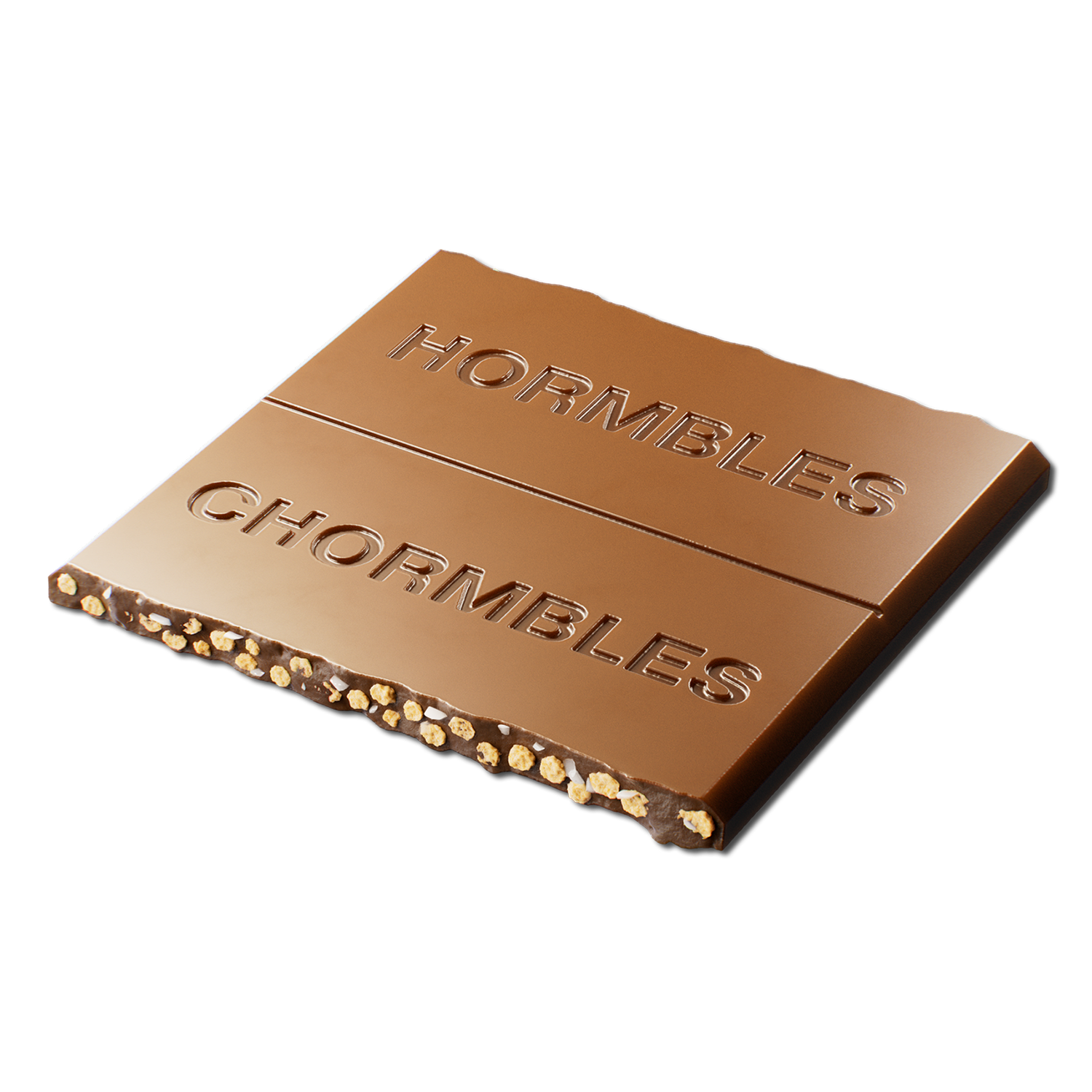
Hormbles Chormbles was designed to be the kind of snack that does not feel like eating â which is exactly what GLP-1 users need when "eating" feels like a chore. At 140 calories and 10g protein per serving, it fits into even the most suppressed appetite windows without triggering discomfort.
Distributing protein intake across 4-5 small occasions throughout the day is more effective than trying to eat large protein portions at 2-3 meals. A chocolate snack at 10 AM and 3 PM can contribute 20g toward a daily protein target without a single full meal. See how light snacks for GLP-1 nausea can be structured across the day for maximum protein delivery.
GLP-1 protein strategy
- Target 0.7-1.0g protein per pound of body weight daily even on suppressed appetite
- Distribute protein across 4-5 small occasions rather than 2-3 large meals
- Choose crunchy over chewy snack textures to avoid GI irritation
- Track protein first â calories second â when appetite is suppressed
Read high-protein chocolate snacks for a broader view of how to hit protein targets through snacking when full meals are not an option.
Frequently Asked Questions
How much protein do I need on GLP-1 medications?
Most clinical guidance recommends 0.7 to 1.0 grams of protein per pound of body weight daily to protect muscle mass during rapid weight loss. For a 160-pound person, that is 112-160g of protein per day. This target becomes harder to hit when GLP-1 medications suppress appetite to the point where full meals feel overwhelming â making high-protein snacks essential to filling the gap.
What happens if I do not get enough protein on Ozempic?
Insufficient protein during GLP-1 weight loss leads to accelerated muscle catabolism. Studies show 25-40% of weight lost on GLP-1 without protein optimization is lean mass. This lowers basal metabolic rate, reduces functional strength, and makes weight regain more likely after stopping the medication. Protecting protein intake is the most important nutritional intervention for long-term GLP-1 success.
Can chocolate be a valid protein source on GLP-1 medications?
Yes â high-protein chocolate in a light, crispy format is one of the most practical protein delivery mechanisms for GLP-1 users. It does not require significant stomach volume, it does not trigger the nausea that chewy bars and shakes often cause, and the chocolate palatability makes it easy to eat even on low-appetite days. Ten grams per serving across multiple daily occasions adds up meaningfully.
Why do protein shakes cause nausea on Ozempic?
GLP-1 medications slow gastric emptying significantly. Liquid protein and artificial sweeteners common in shakes can sit in the sensitized stomach and trigger nausea. The combination of high osmolarity, artificial flavoring, and liquid volume tends to be harder to tolerate than solid, dry snack formats. Most GLP-1 users find crispy, lightly sweetened solid snacks dramatically easier to consume.
Is it safe to eat chocolate every day on GLP-1 medications?
Zero-sugar, high-protein chocolate is a nutritionally sound daily food on GLP-1 medications. It provides protein, real cocoa, and controlled calories without the blood sugar spike of conventional chocolate. The key is choosing products without sugar alcohols like maltitol, which can cause GI distress that amplifies GLP-1 side effects. Allulose and monk fruit are the better sweetener options for daily use.