
The Protein Gap on Wegovy
In This Article
Wegovy creates a significant protein paradox: you need more protein than usual to protect muscle mass during rapid weight loss, but the same medication makes eating high volumes of food nearly impossible. The result is the protein gap — a shortfall between what you need and what you can comfortably eat.
Most people try to close this gap with traditional protein bars. Most traditional protein bars are chewy and dense — the exact texture profile that causes the most nausea on GLP-1 medications. This is not a coincidence; it is the core design tension that anyone on Wegovy who wants to maintain muscle on suppressed appetite needs to solve.
Why Protein Is the Highest Priority on Wegovy
When calories drop sharply — as they do on Wegovy — the body enters a catabolic state. In the absence of sufficient protein, muscle tissue is broken down for energy alongside fat. Studies on GLP-1 weight loss outcomes have found that without deliberate protein optimization, 25-40% of total weight lost can be lean mass rather than fat.
This matters more than the number on the scale. Muscle drives basal metabolic rate, which determines how many calories your body burns at rest. Losing significant muscle during a Wegovy weight loss phase means lower metabolism — making weight regain significantly more likely if the medication is discontinued. Protein is not optional; it is the primary protective variable.
The recommended protein intake during active GLP-1 weight loss is 0.7-1.0g per pound of body weight. For context, a 170-pound person needs 120-170g of protein daily — typically across multiple occasions since a suppressed stomach cannot handle it in large single servings. Check how high-protein chocolate snacks fit into a daily protein distribution plan.
Why Conventional Protein Bars Fail
The standard chewy protein bar is built around a dense, sticky matrix of protein isolate, sugar alcohols, and binders. This format has two fatal flaws for GLP-1 users: physical density and fermentable sweeteners. Dense food takes longer to leave the stomach under slowed gastric emptying — creating fullness and nausea that can last hours after a single bar.
The sweetener problem is equally significant. Most chewy protein bars contain maltitol or other sugar alcohols to achieve sweetness without sugar. These sweeteners are poorly absorbed and ferment in the large intestine — producing gas, bloating, and cramping. On a digestive system already sensitized by GLP-1 medication, this fermentation effect is amplified dramatically. See the full breakdown of why maltitol causes bloating to understand why this matters so much for your bar selection.
Even "high-quality" chewy bars with clean ingredient lists tend to fail on texture alone. The sticky-dense format that the bar-making process requires is simply incompatible with what a GLP-1-sensitized stomach can comfortably process.
Closing the Gap Without the Nausea
The solution is to distribute protein in multiple small, light-format snacks rather than consolidating it in one or two bars. Each snack occasion should target 10-15g of protein in a light, airy, or crispy physical format that minimizes stomach bulk. This strategy can close a 100g+ protein gap without requiring a single full meal.
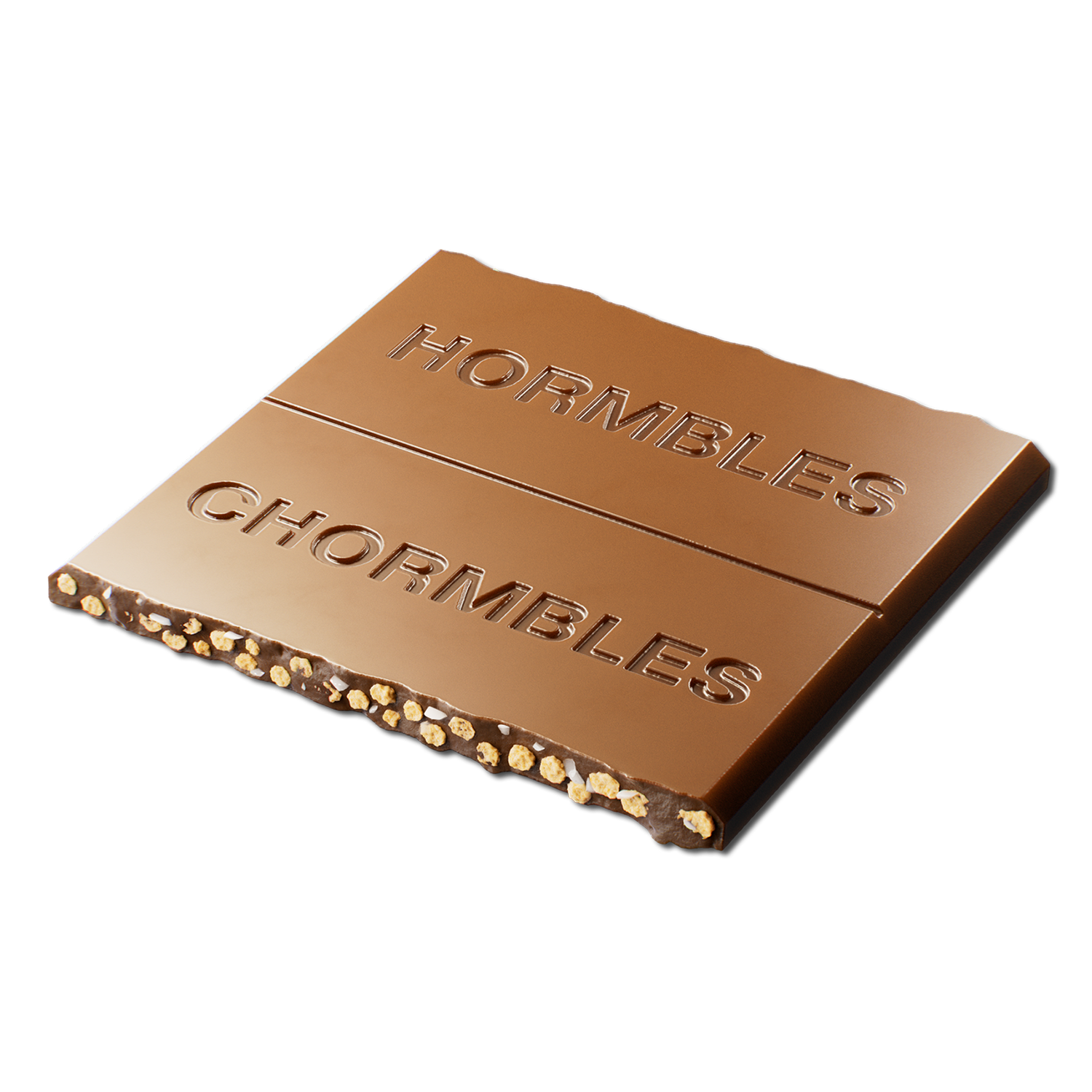
Light protein sources that consistently work for GLP-1 users include hard-boiled egg whites (low volume, high protein), Greek yogurt in small portions (tolerated better than dense dairy), and crispy high-protein chocolate like Hormbles Chormbles. The chocolate format is particularly useful because palatability holds even on days when other protein sources feel unappealing — which is common on Wegovy.
Timing matters too. Distribute protein across 4-5 occasions starting with breakfast. Skipping morning protein and trying to catch up in the afternoon is harder to execute and more likely to trigger nausea from consuming too much protein at once. See light snack strategies for GLP-1 nausea for time-structured protein distribution templates.
Protein-per-discomfort comparison
- Crispy high-protein chocolate (per serving): 10g protein — light, low nausea risk
- Chewy protein bar: 15-20g protein — dense, high nausea risk
- Greek yogurt (1/2 cup): 8-10g protein — moderate density, often tolerated
- Hard-boiled egg whites (3): 10g protein — light, zero sugar alcohol issue
- Protein shake (full serving): 20-25g protein — liquid volume can trigger nausea
For broader snacking strategy on GLP-1, read chocolate snacks specifically for GLP-1 users and check which sweeteners to avoid to prevent GI distress on top of medication side effects.
Frequently Asked Questions
Why do chewy protein bars cause nausea on Wegovy?
Wegovy slows gastric emptying, meaning food sits in the stomach longer than usual. Dense, chewy bars require significant processing time under these slowed conditions, creating uncomfortable distension and nausea. Most also contain maltitol or other sugar alcohols that ferment in the gut — amplifying GI distress on a digestive system already sensitized by GLP-1 medication. The combination of density and fermentable sweeteners is the cause.
How much protein do I need on Wegovy?
Clinical guidance suggests 0.7-1.0 grams per pound of body weight daily during active weight loss on GLP-1 medications. This protects lean muscle mass from catabolism during the significant caloric deficit. The challenge is that a suppressed appetite makes hitting this target through meals alone nearly impossible — which is why distributing protein across small snacks throughout the day is the more realistic and effective strategy.
What is the best protein source on Wegovy?
The best protein sources on Wegovy are light in density, free of fermentable sweeteners, and appealing enough to eat on low-appetite days. Top options include Greek yogurt in small portions, egg whites, crispy high-protein chocolate, and protein powder in small-serving smoothies. The key is format and sweetener choice — crispy or semi-liquid formats with clean sweeteners outperform dense chewy products regardless of protein content per serving.
Does Wegovy cause muscle loss?
Wegovy does not directly cause muscle loss — but the caloric deficit it creates does when protein intake is insufficient. Studies show 25-40% of weight lost on GLP-1 medications can be lean mass without protein optimization. Deliberate daily protein targeting at 0.7-1.0g per pound of body weight, distributed across multiple small meals and snacks, is the primary intervention that prevents this outcome.
Can I use a protein powder shake instead of protein snacks?
Protein shakes can work on Wegovy in small-serving formats — half a serving mixed in less liquid than usual. Full-size shakes (8-12 oz) often cause nausea because the liquid volume triggers the slowed-gastric-emptying stretch response. If you use shakes, mix with 4-6 oz of liquid maximum and avoid artificial sweeteners. Many users find solid crispy snacks more consistently tolerable than liquid protein across dose adjustment periods.