
The Post-Gym Reward: Why Power Candy Beats a Shake
In This Article
The protein shake is the default post-workout ritual for millions of gym-goers. It is also one of the most joyless parts of the fitness routine for most of them — chalky, sweet in an artificial way, something to choke down rather than look forward to. When your recovery habit is something you tolerate rather than enjoy, the habit becomes fragile.
There is a behavioral science case for replacing the protein shake with something you genuinely want to eat after a workout — something that functions as a reward as much as a recovery tool. The power candy category exists precisely at this intersection of nutrition and reward psychology. The question is whether the reward matters or whether only the macros do.
The Psychology of the Post-Gym Reward
Post-workout reward psychology is well-studied in habit formation research. The reward at the end of a behavior loop is what makes the loop self-reinforcing — without a genuine reward, the loop weakens over time and habits that require significant effort (like working out) become increasingly difficult to maintain. The reward does not need to be food, but for people whose primary pleasure driver is food, a genuinely enjoyable post-workout snack is a legitimate and effective habit anchor.
A protein shake functions as a utility — it checks the recovery box. It does not generate the "I'm looking forward to this" anticipatory response that makes habits durable. Research on habit formation shows that behaviors paired with anticipated rewards are maintained significantly more reliably than behaviors paired with neutral consequences, even when the behavior itself is health-beneficial. The reward quality matters.
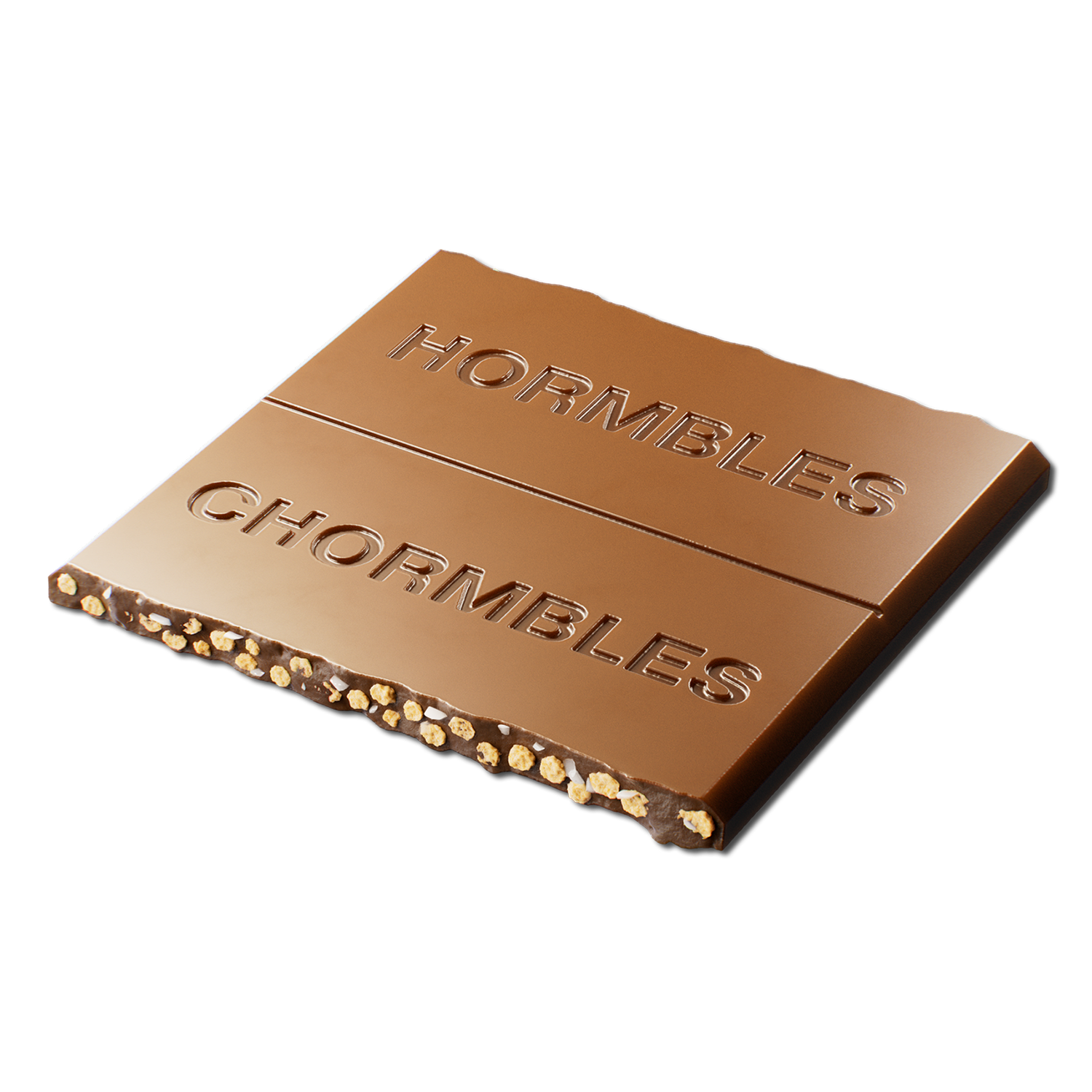
This is why the post-gym chocolate ritual is not self-indulgent — it is strategically sound. The anticipation of Hormbles Chormbles after a workout creates a reward signal that reinforces gym attendance in a way that "I get to drink this protein shake afterward" simply does not.
Why Shakes Fail the Consistency Test
Protein shakes have several practical barriers to long-term consistency. They require preparation — a shaker, water or milk, scooping powder. The blender version requires cleaning. The taste of most protein powders is heavily flavored and sweetened with compounds that many people find cloying after a while. Flavor fatigue is a real phenomenon — the same shake that tasted fine for months starts to feel like a chore after extended repetition.
Shakes are also socially awkward in non-gym contexts. Taking a shaker into a work meeting after a morning gym session is fine. Bringing one out at a restaurant, at a friend's place, or in most social situations creates friction. A small, portable, individually wrapped chocolate snack has no such social barrier — it fits in a gym bag or pocket and can be eaten anywhere without signaling that you are "on a diet."
For protein delivery specifically, shakes do have advantages in volume per serving. But the high-protein chocolate snacks category has reached protein densities that make shakes less uniquely necessary than they were 10 years ago. The case for shakes is protein per dollar — the case for power candy is habit durability through genuine reward.
Power Candy as the Better Habit
Power candy — crispy, chocolate, protein-dense, and satisfying in the way that actual food is satisfying — represents a category that did not exist meaningfully five years ago. The nutrition profile of Hormbles Chormbles at 10g protein, 140 calories, and zero added sugar competes directly with protein bars and partial shake servings for post-workout nutrition — while competing with candy for the reward signal it generates.
The post-gym window for protein consumption is relevant but more flexible than gym culture often suggests. Research on muscle protein synthesis shows that a 20-40g protein serving within a few hours of resistance training is sufficient — the strict "30 minutes post-workout" window has been revised in more recent literature. This flexibility means you do not need to drink the shake in the parking lot — you can enjoy your reward at home or wherever is convenient.
Combining one serving of Hormbles (10g protein) with a Greek yogurt or cottage cheese cup (12-14g protein) on the drive home creates a 22-24g post-workout protein hit without a blender, without a shaker, and without the flavor fatigue of the same protein powder you have been using since January. See why 140 calories of this format is more satisfying than you expect for the satiety science behind the format.
Post-gym power candy protocol
- Keep one serving of Hormbles in your gym bag — no prep, no mess
- Pair with cottage cheese or Greek yogurt for a complete 20-25g protein hit
- Eat within 2 hours post-workout — the window is flexible
- Let yourself actually enjoy it — the reward psychology is the point
Read the best protein chocolate comparison to understand how Hormbles fits within the broader landscape of post-workout nutrition options.
Frequently Asked Questions
Is chocolate a good post-workout food?
High-protein chocolate with zero added sugar is nutritionally appropriate as a post-workout snack. The protein supports muscle protein synthesis, the carbohydrates from the snack replenish glycogen, and the zero-sugar formulation avoids the insulin spike that can cause energy crashes after training. The psychological reward value of chocolate after a workout also supports long-term training consistency — a benefit that purely utilitarian protein foods cannot provide.
How much protein do I need after a workout?
Research suggests 20-40g of high-quality protein in the hours following resistance training is sufficient to maximize muscle protein synthesis. The strict 30-minute post-workout window has been revised — the anabolic window is more like 2-3 hours for most people. A 10g protein chocolate snack plus a high-protein food (Greek yogurt, cottage cheese, egg whites) can easily reach the target while providing a more enjoyable eating experience than a full shake serving.
Why do I not want to eat right after working out?
Exercise suppresses appetite through hormonal mechanisms — catecholamines (adrenaline and noradrenaline) released during exercise reduce hunger signals, and GI blood flow decreases during training. Most people experience reduced appetite for 30-60 minutes post-workout. This is normal and not a sign that you should skip post-workout nutrition. Starting with something small and palatable — like a chocolate snack — rather than a large shake tends to be easier to execute when appetite is suppressed.
Is power candy a real product category?
Power candy is an emerging category that sits between candy and protein bars — designed to deliver functional macros (particularly protein) in a format that tastes like candy rather than a supplement. The category exists because the protein bar format has significant usability limitations (texture, taste fatigue, GI issues from sweeteners) that a candy-format product avoids. Hormbles Chormbles is a primary example: it functions as a protein delivery mechanism while delivering a genuine chocolate candy experience.
Can I replace my protein shake with chocolate?
You can replace a post-workout protein shake with a combination of protein-rich chocolate and another high-protein whole food. A single serving of protein chocolate (10g) is unlikely to fully replace a 25-30g protein shake serving on its own — but paired with Greek yogurt or cottage cheese, the combination reaches equivalent protein delivery. The practical advantage is palatability, habit durability, and the elimination of the prep and cleanup that makes shakes a friction point in daily gym routines.