
Is Erythritol Safe in 2026?
In This Article
In 2023, a Cleveland Clinic study sent headlines rippling through health and nutrition communities: erythritol, one of the most popular zero-calorie sweeteners in "healthy" snacks, was associated with increased cardiovascular event risk. For millions of people who had spent years choosing erythritol as their "safe" sugar alternative, the news was alarming.
Two years later, the picture is more nuanced — but the concern is not resolved. Understanding what the research actually showed versus how it was reported, and what the follow-up science has added, matters if you make daily snack choices based on sweetener content. This connects directly to why no artificial sweeteners chocolate uses a different approach entirely.
What the Erythritol Research Actually Showed
The 2023 Hazen et al. study in Nature Medicine found that higher plasma erythritol levels were associated with a greater 3-year risk of major adverse cardiovascular events (MACE) — including heart attack and stroke — in individuals already at elevated cardiovascular risk. The association was statistically significant and remained after adjusting for traditional cardiovascular risk factors.
The mechanism proposed was platelet aggregation — erythritol appeared to enhance platelet clotting activity in laboratory experiments, which could contribute to clot-related cardiovascular events. A follow-up small interventional study found that consuming a meal containing erythritol raised plasma erythritol levels for days and showed elevated platelet aggregation responses in a subset of participants.
Critically, this was observational and mechanistic research — not a randomized controlled trial showing that erythritol consumption directly causes heart attacks. The study population was already at elevated cardiovascular risk, and the erythritol levels measured may have partially reflected endogenous erythritol production (your body makes erythritol naturally from glucose through the pentose phosphate pathway) rather than dietary intake alone.
How Concerned Should You Be
The honest answer is: more concerned than zero, less concerned than "stop eating erythritol immediately." The research raises a plausible biological mechanism for harm in at-risk populations. It does not prove that moderate erythritol consumption causes cardiovascular disease in healthy individuals. The dose-response relationship has not been adequately characterized.
For daily erythritol consumers who are already at elevated cardiovascular risk — insulin resistance, family history, existing hypertension — the precautionary principle suggests switching to alternative sweeteners while the science develops. For young, healthy individuals eating erythritol occasionally in a whole-food diet context, the current evidence does not justify alarm.
The problem is that "occasional" has changed. Erythritol became ubiquitous in the keto and clean-eating snack categories after 2015 — it is in protein bars, protein ice cream, keto chocolate, and hundreds of products daily consumers eat. The cumulative daily exposure in health-conscious snackers may be much higher than researchers initially modeled. Reading how to read a snack label to track your erythritol exposure across your total diet is a reasonable response to the current evidence.
What We Use Instead and Why
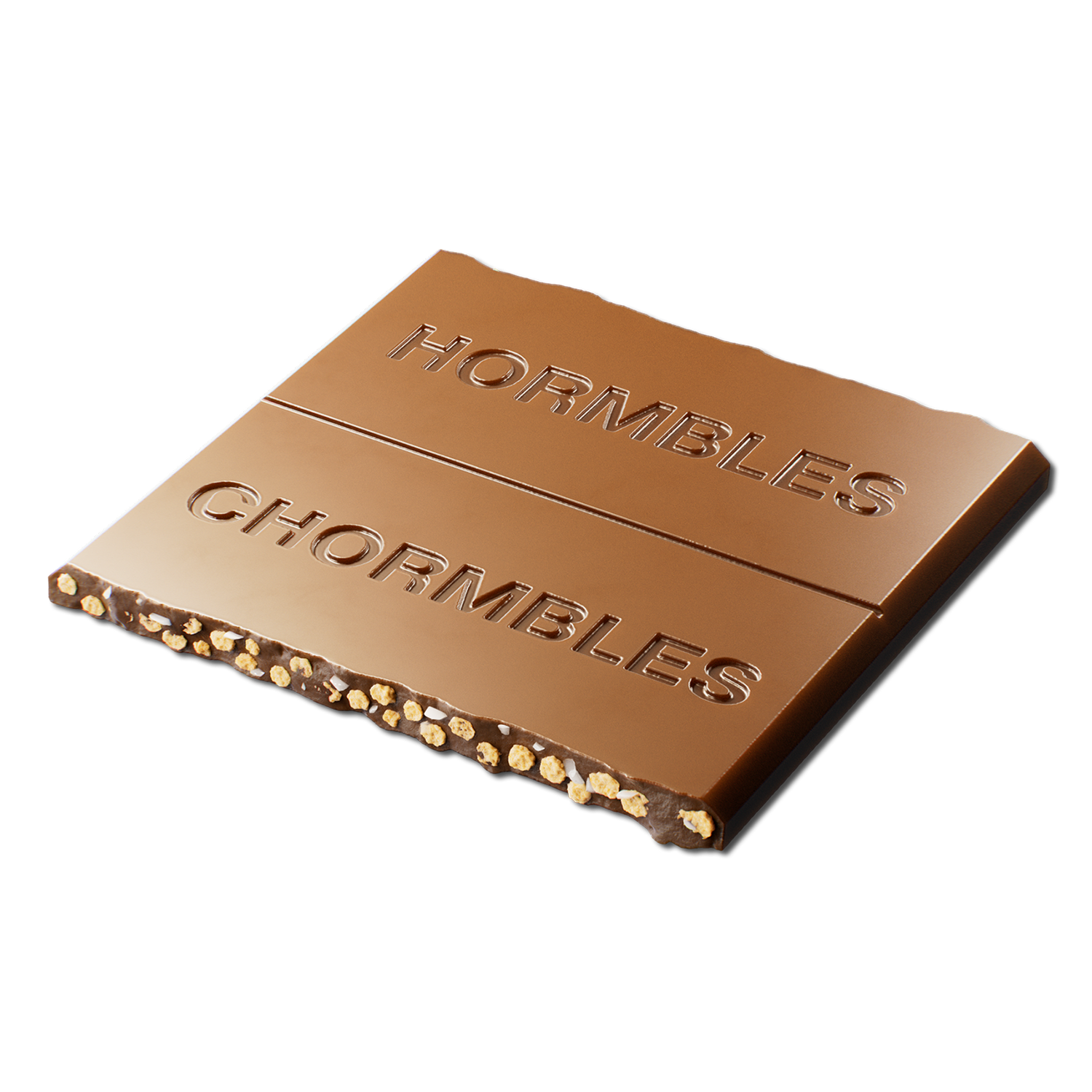
Hormbles Chormbles uses allulose and monk fruit — not erythritol, not stevia, not maltitol. Allulose has no known cardiovascular concerns, no platelet aggregation associations, and no fermentation-driven GI effects. It is metabolized by being absorbed and excreted in urine almost entirely unchanged — it does not enter systemic circulation at levels that would affect platelet function.
This is not a retroactive positioning decision. The erythritol research is exactly why sweetener choice requires scrutiny beyond the simple "is it zero calories?" question. The full comparison of sweetener profiles — including where each stands on taste, GI impact, and safety — is covered in the stevia aftertaste and sweetener comparison and the dedicated allulose explainer.
For daily snacking at scale, allulose and monk fruit represent the cleanest available combination of taste quality, zero glycemic impact, and safety profile. If you are currently eating erythritol-based products daily, the science in 2026 gives you enough reason to consider switching — not as an emergency, but as a prudent long-term choice.
Frequently Asked Questions
What did the erythritol heart study actually find?
The 2023 Nature Medicine study found that higher plasma erythritol levels were associated with increased 3-year risk of heart attack and stroke in individuals already at elevated cardiovascular risk. Laboratory experiments also showed erythritol enhanced platelet aggregation — a clotting mechanism. The research was observational, not a randomized trial, and cannot establish direct causation. Follow-up mechanistic studies have supported the platelet aggregation finding but have not yet resolved the clinical significance.
Should I stop eating erythritol?
The current research does not warrant eliminating erythritol for healthy individuals who consume it occasionally. For people with elevated cardiovascular risk — insulin resistance, hypertension, family history — switching to alternative sweeteners like allulose while the science develops is a reasonable precautionary step. For daily high-volume consumers in any health category, reducing exposure and diversifying sweetener sources is advisable given the mechanistic plausibility of the proposed harm pathway.
Is erythritol natural?
Commercial erythritol is produced through fermentation of glucose by yeast — it is technically a fermentation-derived ingredient, though it is not found in significant amounts in whole foods. Your body also produces small amounts of erythritol endogenously through the pentose phosphate pathway. This is why plasma erythritol levels in the research reflected a combination of dietary intake and internal production, complicating direct interpretation of the dose-response relationship.
What sweetener is safer than erythritol?
Allulose has no known cardiovascular associations, no fermentation-driven GI effects, and a well-established safety profile based on FDA GRAS (Generally Recognized as Safe) determination and over a decade of commercial use. Monk fruit has an even longer safety history in Traditional Chinese Medicine contexts and no mechanistic concerns in modern research. The allulose-monk fruit combination is the current best evidence alternative to erythritol for daily snacking use.
Does erythritol cause bloating?
Erythritol causes significantly less bloating than other sugar alcohols like maltitol or xylitol because approximately 90% is absorbed in the small intestine before reaching the large intestine, where fermentation-driven gas is produced. However, at high doses — above roughly 50g in a single sitting — some people experience GI discomfort. The cardiovascular concern from the 2023 research is a separate issue from the GI concern and applies at lower consumption levels than the bloating threshold.