
Safe Snacks for Shot Day on GLP-1 Medications
In This Article
Most GLP-1 users quickly learn that the 24-48 hours after injection are different from the rest of the week. Nausea peaks, appetite bottoms out, and certain foods that are normally tolerable become genuinely difficult to eat. Shot day eating requires a specific strategy — not just "eat less."
The goal on shot day is to maintain protein intake and prevent blood sugar swings without triggering the GI side effects that peak in this window. Getting this right protects muscle, preserves energy, and makes the post-injection period dramatically more comfortable. For the full picture of why protein matters on GLP-1 medications, read about maintaining muscle on suppressed appetite.
Why Shot Day Is Different
GLP-1 receptor agonists reach peak plasma concentration 24-72 hours after a subcutaneous injection. During this peak window, gastric emptying is at its slowest, GLP-1 receptor activation in the brainstem (which controls nausea) is at its highest, and appetite suppression is most intense. The medication is working exactly as designed — but that means the physiological environment for eating is at its most challenging.
Not every GLP-1 user experiences significant shot day symptoms, especially after dose stabilization. But for those who do — and the majority experience some heightened sensitivity in the first 2-4 hours post-injection — having a plan for what to eat (and what to avoid) prevents the spiral of nausea that can make the entire day difficult.
The texture sensitivity described in the texture trap on Ozempic is most acute on shot day. Every principle from that framework applies with greater intensity on the post-injection window.
What to Avoid on Shot Day
High-fat foods are among the hardest to tolerate on shot day. Fat significantly slows gastric emptying on its own — when combined with the GLP-1-induced slowing, high-fat foods can sit in the stomach for hours and create severe nausea. Fried foods, full-fat dairy, and fatty meats should be avoided or minimized in the 12-24 hours after injection.
Fermentable sweeteners are the second category to eliminate. Maltitol, sorbitol, xylitol, and other sugar alcohols found in most protein bars cause fermentation-driven bloating and cramping that is amplified dramatically on a GLP-1-sensitized gut. This is the exact overlap that makes standard protein bars so problematic on shot day — they are dense, they contain sugar alcohols, and the gut is at maximum sensitivity. See why maltitol causes bloating for the biochemical mechanism.
Spicy food and high-acid foods (citrus, tomatoes, vinegar-heavy dishes) can also trigger nausea because the heightened vagal tone during peak GLP-1 activity increases sensitivity to these chemical irritants. Keep the flavor profile mild on shot day and save bolder foods for the days when medication blood levels have dropped.
The Best Snacks for Shot Day
The ideal shot day snack is light in density, free of fermentable sweeteners, contains meaningful protein, and has a mild-to-moderate flavor profile. It should require minimal chewing (to avoid jaw fatigue nausea) while still providing enough sensory satisfaction to function as a real snack rather than a forced supplement.
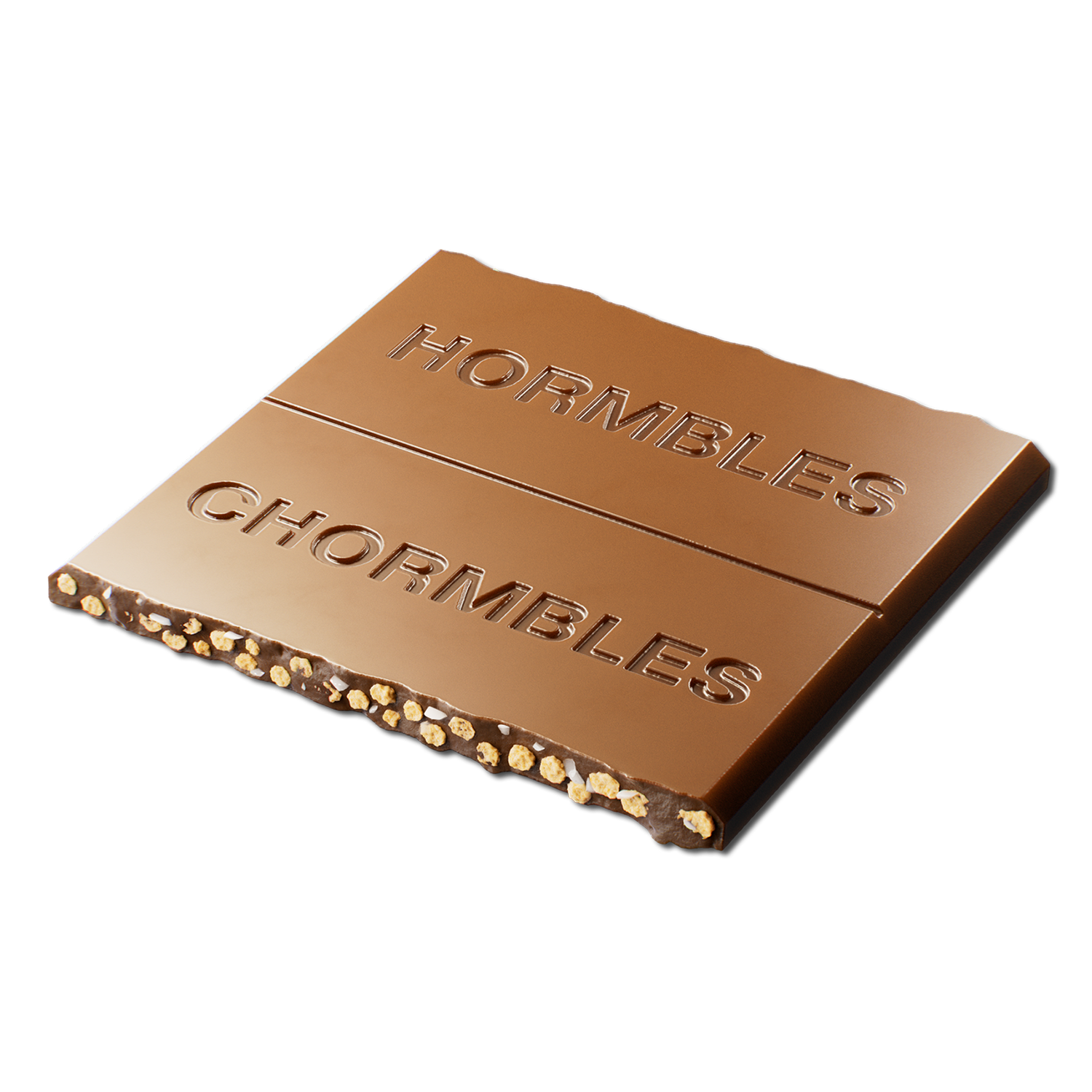
Hormbles Chormbles consistently works well on shot day for several reasons: the crispy format is low-density, allulose and monk fruit are non-fermentable sweeteners, the chocolate flavor is satisfying without being harsh, and 10g of protein per serving helps maintain the daily protein target even on a difficult eating day. It is the anti-shot-day-nausea snack that actually tastes like something you would choose to eat.
Other reliable shot day foods include plain saltine crackers (low acid, easy on the stomach), soft scrambled eggs in small portions, mild Greek yogurt (full-fat may be harder), and ginger tea which actively reduces nausea. See the comprehensive list at light snacks for GLP-1 nausea for more options.
Shot day snack planning
- Pre-portion your shot day snacks the night before — decision-making is harder when nausea is active
- Eat small amounts frequently rather than attempting a full meal
- Avoid sugar alcohols in all snacks — check labels on anything claiming to be "healthy"
- Stay hydrated — nausea worsens significantly with mild dehydration
- Choose crunchy over chewy formats on peak side effect days
Building a shot day protocol that includes a designated high-protein chocolate snack is one of the simplest ways to make weekly injections more manageable long-term. Read how functional treats manage food noise on the days when appetite is most suppressed but the mental food preoccupation remains.
Frequently Asked Questions
Why is nausea worse after the GLP-1 injection?
GLP-1 medication peaks in plasma concentration 24-72 hours after injection. During this peak window, the medication's effect on gastric emptying is at its maximum, and GLP-1 receptors in the brainstem — which mediate nausea — are most strongly activated. Food choices that are tolerable on other days can trigger significant nausea in this peak window because the physiological sensitivity is at its highest point in the dosing cycle.
What should I eat the day of my GLP-1 injection?
Focus on light, low-density foods with no fermentable sweeteners. Good options include plain crackers, soft scrambled eggs in small portions, mild Greek yogurt, crispy high-protein chocolate, and ginger tea for nausea. Avoid high-fat foods, spicy food, acidic food, and any snacks containing sugar alcohols like maltitol. Pre-portioning your shot day snacks the night before prevents poor food choices when nausea impairs decision-making.
How do I get enough protein on shot day when I cannot eat?
Distribute protein across very small portions spaced throughout the day. Targeting 10-15g per occasion rather than 30-40g at one meal is more manageable when nausea is active. Crispy high-protein chocolate, egg whites, and small portions of Greek yogurt are the best options because they are light enough to eat without triggering the volume-driven nausea that denser protein sources cause. Consistency across many small occasions adds up to a meaningful daily total.
Does it help to eat before the GLP-1 injection?
Many users find that eating a light, protein-rich snack 30-60 minutes before injection reduces post-injection nausea compared to injecting on an empty stomach. The food in the stomach may buffer the initial peak effect. This is not universal — some people prefer injecting on an empty stomach. Track your own response over a few injection cycles to determine which timing works better for your individual pattern.
Are there snacks that should never be eaten on shot day?
Yes — high-fat fried foods, chewy protein bars with sugar alcohols, spicy dishes, citrus-heavy foods, and high-fiber snacks with fermentable components are the highest-risk categories. These combine physical density, fermentation-driven GI distress, or chemical irritation with a digestive system at peak sensitivity. Keeping shot day eating predictably mild and light is significantly easier than trying to manage nausea after the fact."}}]}