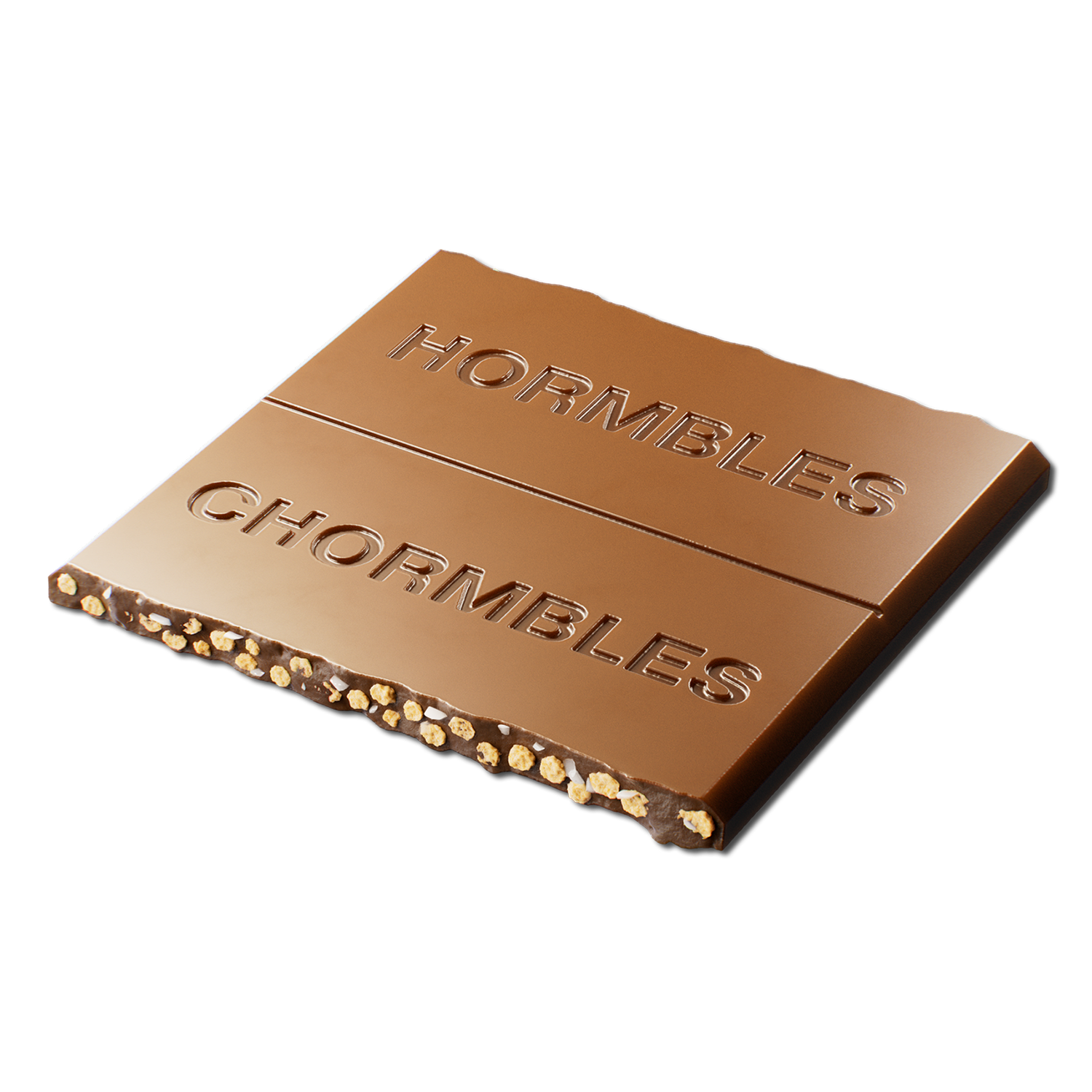


Shea and Palm Oil: Why Real Fat Beats EPG for Satiety
Real fats — shea butter and palm kernel oil — trigger satiety hormones in a way that EPG (esterified propoxylated glycerol) fat replacers do not. Hormbles Chormbles uses real fat. This matters for satiety, not just labeling, because your gut responds to the actual composition of what you eat, not its calorie count alone.
What EPG Is and Why Brands Use It
EPG (esterified propoxylated glycerol) is an FDA-approved fat substitute that provides the mouthfeel and texture of fat with fewer absorbed calories — roughly 0–1 calorie per gram compared to 9 for regular fat. Brands use EPG primarily to reduce the calorie count per serving, which allows them to market a lower-calorie product.
The tradeoff is biological: EPG does not trigger the same hormonal satiety responses as real fat because it passes through the digestive system largely unabsorbed. Your gut receptors — specifically the free fatty acid receptors (FFAR1, FFAR4) in the intestinal lining — do not get the signal they're looking for.
How Real Fat Triggers Satiety
Dietary fat triggers the release of cholecystokinin (CCK), peptide YY (PYY), and GLP-1 (the same hormone that GLP-1 medications mimic synthetically). These hormones communicate to the hypothalamus that calories have been absorbed, promoting satiety and reducing subsequent food intake. A 2010 study in Cell Metabolism demonstrated that intestinal free fatty acid sensing through FFAR1 receptors was required for the full satiety response — bypass or replace that lipid signal and the hormonal cascade is blunted. (PubMed 20303737)
This is why low-fat foods and fat-substitute foods often leave people eating more overall: the calorie savings from the replaced fat get partially or fully offset by reduced satiety signaling and subsequent increased intake elsewhere.
Shea and Palm Oil in Chocolate
Shea butter and palm kernel oil are two of the most common cocoa butter equivalents (CBEs) used in quality chocolate formulation. They have similar fatty acid profiles to cocoa butter — high in stearic and oleic acids — which gives them the same tempering and melting properties without the cost premium of pure cocoa butter.
Both shea and palm kernel oil are fully metabolized fats. They activate the fat-sensing receptors in the gut wall, trigger CCK and PYY release, and produce the full satiety response you'd expect from real chocolate. Hormbles Chormbles uses shea and palm kernel oil in its chocolate matrix rather than EPG — a deliberate formulation choice that prioritizes satiety function over minimizing per-serving calorie count.
Fat Source Comparison in Chocolate Products
| Fat Source | Calories Absorbed | Satiety Signal | Used In |
|---|---|---|---|
| Cocoa butter | Full (~9 cal/g) | Strong | Hu Chocolate, premium dark chocolate |
| Shea butter (CBE) | Full (~9 cal/g) | Strong | Hormbles Chormbles, quality milk chocolate |
| Palm kernel oil (CBE) | Full (~9 cal/g) | Strong | Hormbles Chormbles, quality milk chocolate |
| EPG | Near zero (0–1 cal/g) | Blunted | Some low-calorie protein chocolates |
Frequently Asked Questions
What is EPG in chocolate and is it safe?
EPG is an FDA-approved fat substitute that provides chocolate texture with minimal absorbed calories. It is considered safe by the FDA. However, it does not activate the fat-sensing receptors in your gut the way real fat does, which means it provides less satiety signaling despite contributing mouthfeel and texture similar to real fat.
Is shea butter in chocolate healthy?
Shea butter used as a cocoa butter equivalent in chocolate is similar in composition to cocoa butter — primarily stearic and oleic acids. Stearic acid is largely converted to oleic acid during digestion and does not raise LDL cholesterol in the way other saturated fats do. It is a reasonable fat source in moderate amounts.
Does the fat source in chocolate affect how full you feel?
Yes. Real fats (including shea, palm kernel, and cocoa butter) activate intestinal fat receptors that trigger cholecystokinin and peptide YY release — satiety hormones that reduce subsequent appetite. Fat substitutes like EPG pass through without activating these receptors, producing less satiety signaling.
Why does Hormbles Chormbles use shea and palm kernel oil instead of EPG?
Hormbles uses shea and palm kernel oil because they are real fats that activate intestinal satiety receptors, producing genuine fullness signals rather than just reducing calories on paper. EPG provides chocolate mouthfeel without the hormonal satiety response. The formulation prioritizes how the product functions in your body over minimizing the per-serving calorie count.
How much fat is in Hormbles Chormbles and where does it come from?
Hormbles Chormbles contains fat from shea butter and palm kernel oil — both cocoa butter equivalents used in quality chocolate manufacturing. These are fully metabolized fats that activate satiety hormones. The exact fat content per serving is on the Nutrition Facts label.
Both fats are standard in premium milk chocolate formulation.
Related Reading
- Best Protein Chocolate: What Actually Hits 10g and Tastes Right
- What Makes a Chocolate Snack Actually Healthy?
- Is Protein Chocolate Actually Good for You?
- Healthy Snacks for Weight Loss That Actually Work
- Healthy Snacks to Curb Sweet Cravings
- How to Read a Snack Nutrition Label
- Chocolate Snacks With Protein That Actually Taste Like Chocolate
- Shop Hormbles Chormbles
- Why 140 Calories Is the Sweet Spot for a Satisfying Chocolate Snack
- No Artificial Sweeteners in Chocolate: Why It Actually Matters
- Power Candy vs. Protein Bar: Why the Category Name Matters