
Stopping the Sugar Spiral
In This Article
You eat one piece of chocolate. Then another. Then you are standing in the kitchen 20 minutes later wondering what happened. This is not a discipline problem â it is a blood sugar problem with a predictable biological mechanism.
The sugar spiral starts with a fast spike and ends with a crash that makes your body demand more sugar immediately. Breaking it requires understanding what triggers it and how to build a chemical handbrake into your snack choice. If you have tried to control sweet cravings through willpower alone, this is why it has not worked.
What Is a Sugar Spiral
When you eat high-sugar chocolate, glucose enters your bloodstream rapidly â causing a sharp insulin spike. Insulin clears the glucose quickly, often overshooting and dropping blood sugar below baseline. That low-blood-sugar state triggers cortisol release and intense hunger signals, sending you back to the chocolate.
Each cycle amplifies the next. The second piece causes a bigger spike and a deeper crash. By piece three, your body is in a full reactive hunger loop. This is the mechanistic explanation for why the nighttime binge cycle is so hard to stop mid-stream.
The spiral is not caused by poor choices â it is caused by eating the wrong form of chocolate as your entry point. Once the spike-crash cycle begins, rational decision-making loses to metabolic demand.
How Protein Acts as a Handbrake
Protein slows gastric emptying â the rate at which food leaves your stomach and enters the small intestine. When protein is present alongside carbohydrates, glucose absorption slows and the blood sugar curve flattens. A flat curve means no sharp spike, no overshooting insulin response, and no crash-induced rebound craving.
Ten grams of protein is the approximate threshold where this effect becomes measurable for most people. Below 5g, the impact is minimal. Above 10g, you get meaningful blood sugar stabilization that can prevent the spiral from starting. This is the science behind why high-protein chocolate snacks perform so differently from conventional chocolate in practice.
Protein also triggers GLP-1 and PYY release â gut hormones that signal satiety to the brain. These hormones tell you to stop eating before you are physically overfull. They are the neurological version of the handbrake.
Why fat alone is not enough
Some people try to manage the sugar spiral by adding fat to their chocolate â choosing 85% dark chocolate, for example. Fat does slow digestion, but without protein, the satiety hormone response is weaker. Fat slows the car; protein applies the brakes. Both together are ideal, but if you can only have one, protein wins for craving control.
The Right Chocolate to Break the Cycle
The ideal anti-spiral chocolate snack has three properties: zero added sugar (to eliminate the spike), at least 10g protein (to activate the handbrake), and a format that feels like a real treat rather than a supplement. All three matter â a protein-rich chocolate that tastes like chalk will not replace the emotional satisfaction that drives the spiral.
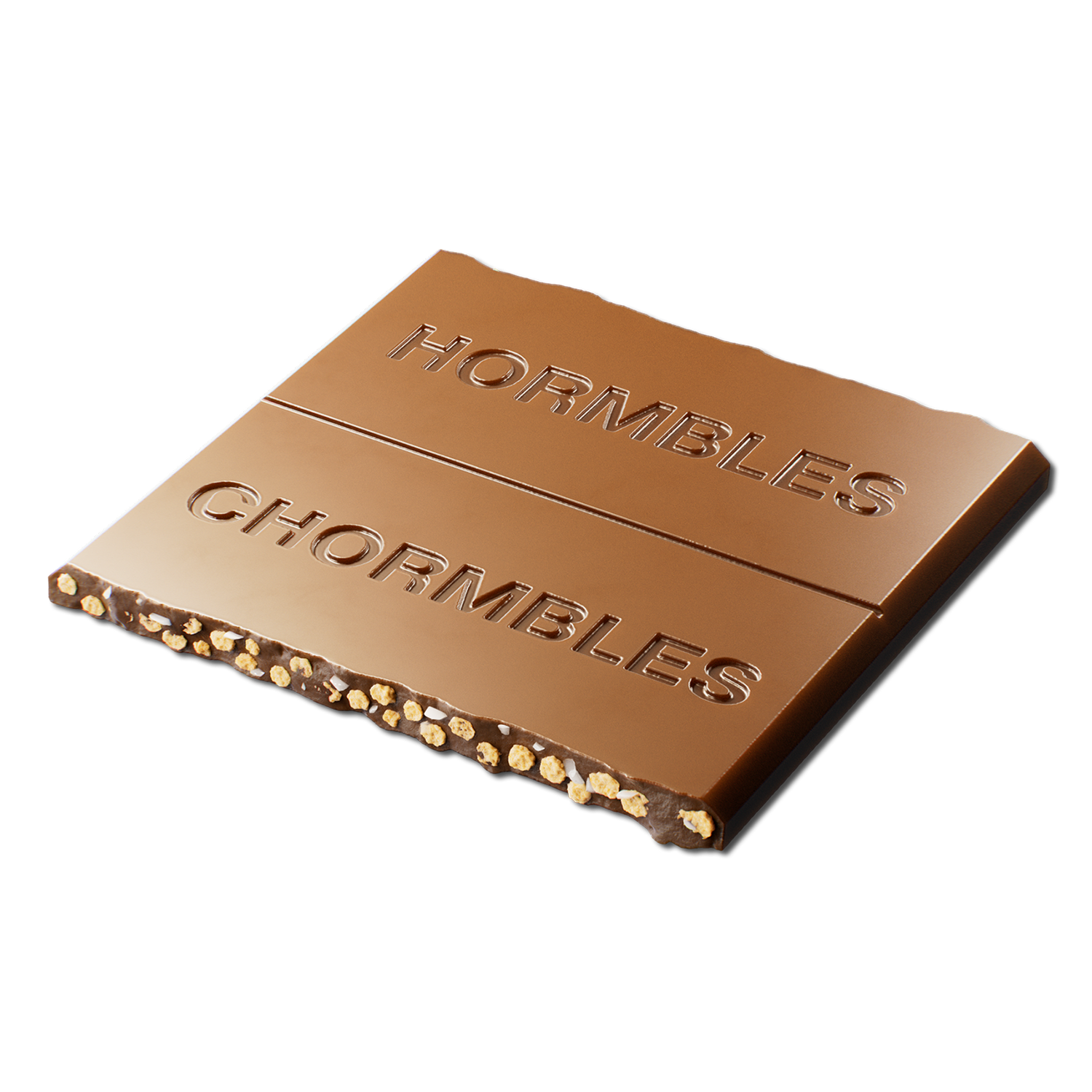
Hormbles Chormbles uses allulose and monk fruit instead of sugar, providing sweetness without the glycemic spike. The 10g of protein from real ingredients provides the metabolic brake. If you want to understand why the sweetener choice matters, see the full breakdown of allulose and blood glucose.
Combining your chocolate snack with a full glass of water also helps â mild dehydration is often mistaken for hunger and can accelerate the spiral. Drink first, then eat the snack, and give it 10 minutes before deciding you need more.
Building the habit
- Replace your usual trigger chocolate with a no fake sugar chocolate snack pre-portioned
- Add 10+ grams of protein to every snack that includes chocolate
- Eat your chocolate snack sitting down, not standing in front of the cabinet
- Read how to read a snack label to spot the hidden sugars that trigger spirals in "healthy" products
Understanding what actually makes a chocolate snack healthy will help you evaluate alternatives on your own. The label is where the spiral starts â know what you are buying.
Frequently Asked Questions
What causes a sugar spiral?
A sugar spiral is caused by the blood sugar spike-and-crash cycle triggered by high-sugar foods. Rapid glucose absorption causes a sharp insulin response, which overshoots and drops blood sugar below baseline. This crash triggers cortisol and intense hunger signals â sending you back for more sugar before you can make a rational choice.
How much protein stops a sugar craving?
Research suggests 10 grams of protein is the threshold for meaningful blood sugar stabilization when paired with carbohydrates. This activates satiety hormones GLP-1 and PYY and slows gastric emptying, flattening the glucose curve. Below 5 grams, the effect is minimal. Ten grams in a chocolate snack is the practical target to prevent the spiral.
Can I eat chocolate without triggering a sugar spiral?
Yes â if you choose chocolate with zero added sugar and at least 10g of protein. Zero-sugar chocolate eliminates the initial glucose spike that starts the cycle. Protein slows absorption and activates satiety hormones. Together, they allow you to satisfy the chocolate craving without triggering the rebound hunger that turns one piece into five.
Why does dark chocolate sometimes still trigger cravings?
Even 85% dark chocolate contains enough sugar and carbohydrates to cause a modest blood sugar response in some people. More importantly, it contains little protein â so the satiety brake is absent. The bitterness can also feel unsatisfying, leading to eating more to hit the same reward signal. A high-protein zero-sugar option typically outperforms dark chocolate for craving control.
Is the sugar spiral related to emotional eating?
Yes â the biological and emotional drivers reinforce each other. Emotional eating lowers inhibition and starts the first piece. The blood sugar crash that follows amplifies stress and cortisol, making emotional eating more likely again. Breaking the metabolic spiral reduces the physical driver, which makes the emotional driver easier to manage on its own terms.